The Resurgence of Vinyl: Examining Trends in Music Consumption Today
The Return of a Classic: Why Vinyl is Making Waves Again
In an era dominated by digital streaming, where music is available at our fingertips and any song can be played within seconds, the resurgence of vinyl records might seem like an anomaly. Yet, this classic format is not just surviving; it's thriving. The physicality, nostalgia, and perceived superior sound quality of vinyl records have captivated a new generation of audiophiles and collectors.
This article delves into the reasons behind this phenomenon, exploring factors such as the tactile experience of vinyl, the allure of nostalgia, and the artisanal production that appeals to modern consumers.
The Vinyl Experience: More than Just Music
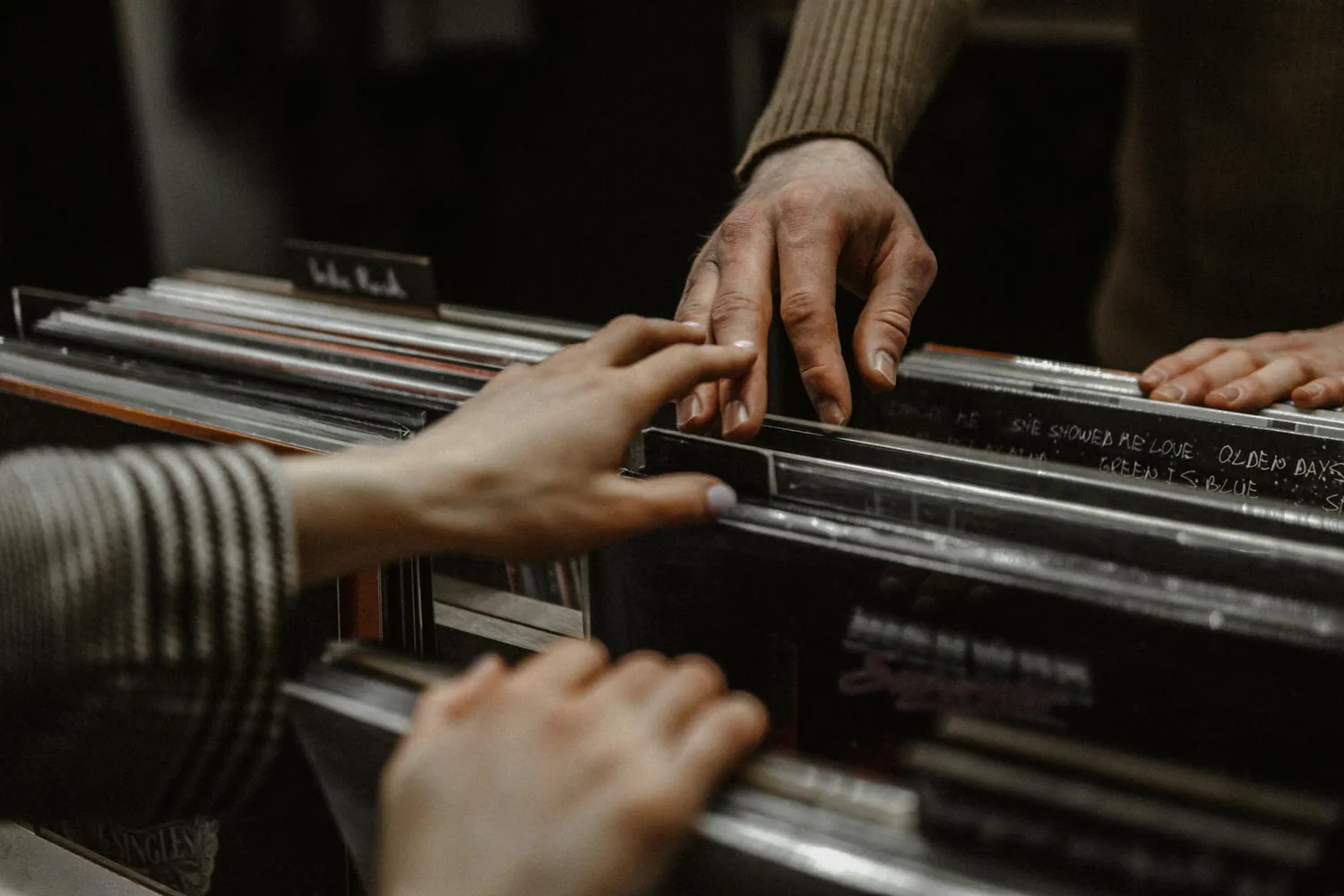
One of the key attractions of vinyl records is the tactile experience they provide. In contrast to the intangible nature of digital music files, vinyl offers a tangible product that engages multiple senses. The process of selecting a record, examining its cover art, carefully placing it on a turntable, and listening to the subtle pop and crackle of the needle hitting the groove creates a unique and immersive experience. For many, this ritualistic aspect of vinyl listening transforms music consumption into an event rather than a background activity.
The Role of Nostalgia
Nostalgia plays a significant role in vinyl's revival. For older generations, vinyl represents a connection to their past, evoking memories of their first albums or concerts. For younger listeners, it provides a way to connect with a musical era they never experienced firsthand. This longing for a perceived simpler time when music felt more genuine and personal resonates deeply with many consumers. In an age of rapid technological change, vinyl serves as a comforting reminder of music's rich history.
Sound Quality: Myth or Reality?
Another often-cited reason for vinyl's popularity is the belief in its superior sound quality. Vinyl enthusiasts argue that analog recordings capture nuances and warmth that digital formats fail to reproduce. While some audiophiles swear by the richness and depth of vinyl sound, this perception is subjective and varies from listener to listener. It's important to note that while high-quality pressings can indeed offer remarkable fidelity, poorly manufactured records may fall short. Therefore, it's essential for buyers to pay attention to pressing quality and condition when purchasing vinyl.
Artisanal Production and Its Impact
The rise in artisanal production has significantly impacted consumer choices regarding vinyl. Limited edition releases, colored vinyl, and special packaging are particularly attractive to collectors who view records as pieces of art. Many modern artists are embracing these trends, offering exclusive releases with intricate designs and additional content like lyric booklets or posters.
The Allure of Limited Editions
Limited editions create a sense of urgency and exclusivity that digital platforms cannot replicate. These records often appreciate in value over time, appealing not only to music lovers but also to investors looking for unique assets. Collectors take pride in owning rare items that are often seen as status symbols within the music community.
Supporting Independent Artists
By purchasing vinyl, consumers are often directly supporting artists and independent record labels. This financial support is crucial for artists who may struggle to earn substantial revenue through streaming services due to low per-stream payouts. Vinyl sales can provide a more reliable income stream, allowing artists to maintain their creative independence.
Comparing Competing Formats
While vinyl offers numerous benefits, it is not without its drawbacks compared to other formats such as CDs and digital streaming. Here we explore these competing formats, highlighting their respective pros and cons.
Vinyl vs. Digital Streaming
- Pros: Tangible experience, collectible value, richer sound for enthusiasts.
- Cons: Less convenient, requires more space, higher initial cost.
Streaming services like Spotify and Apple Music dominate the market due to their convenience and vast libraries. They allow instant access to millions of tracks without the need for physical storage space. However, this convenience comes at the cost of sound quality and ownership; users merely rent music as long as they maintain their subscriptions.
Vinyl vs. CDs
- Pros: Larger artwork, warmth of analog sound, collectible.
- Cons: Prone to wear over time, less portable.
CDs offer an excellent balance between sound quality and convenience. They provide better fidelity than most streaming services (unless using lossless formats) and do not degrade with each play as vinyl does. However, they lack the nostalgic appeal and aesthetic qualities that make vinyl so attractive today.
When to Choose Vinyl
The decision to choose vinyl should depend on personal preferences and circumstances. If you appreciate music as an art form and enjoy collecting physical items, then investing in vinyl could enhance your listening experience. Additionally, if supporting artists directly or building a unique collection matters to you, vinyl may be the right choice.
On the other hand, if you prioritize convenience and portability or have limited space for storing physical media, digital streaming or CDs might better suit your needs.
Conclusion: A Harmonious Coexistence
The resurgence of vinyl records signifies more than just a passing trend; it highlights how modern consumers value both technology and tradition. While digital streaming remains dominant for its ease and accessibility, vinyl appeals to those seeking authenticity and a deeper connection with their music. Ultimately, these formats coexist harmoniously in today's diverse musical landscape, each offering unique advantages that cater to different tastes and lifestyles.