Selecting the Right Accessories: A Checklist for the Modern Outfit
Understanding Your Core Wardrobe
Before diving into the world of accessories, it's crucial to have a strong foundation: your core wardrobe. This set of clothing consists of versatile pieces that you wear regularly and which can be easily mixed and matched.
For many, this includes staples like a classic white shirt, a well-fitting pair of jeans, and a neutral blazer.
To identify your core wardrobe, start by auditing your closet. Remove items you haven't worn in over a year unless they're seasonal. Focus on quality over quantity; pieces that feel great and fit well will always serve as better foundations for accessorizing.
Selecting 2-3 Focal Accessories
With your core wardrobe defined, you can now enhance your outfits with carefully chosen accessories. The idea is to select two to three key pieces that can serve as focal points for any outfit. Think of these as the 'jewels' in your crown—items that draw attention and add personality.
1. Statement Necklaces
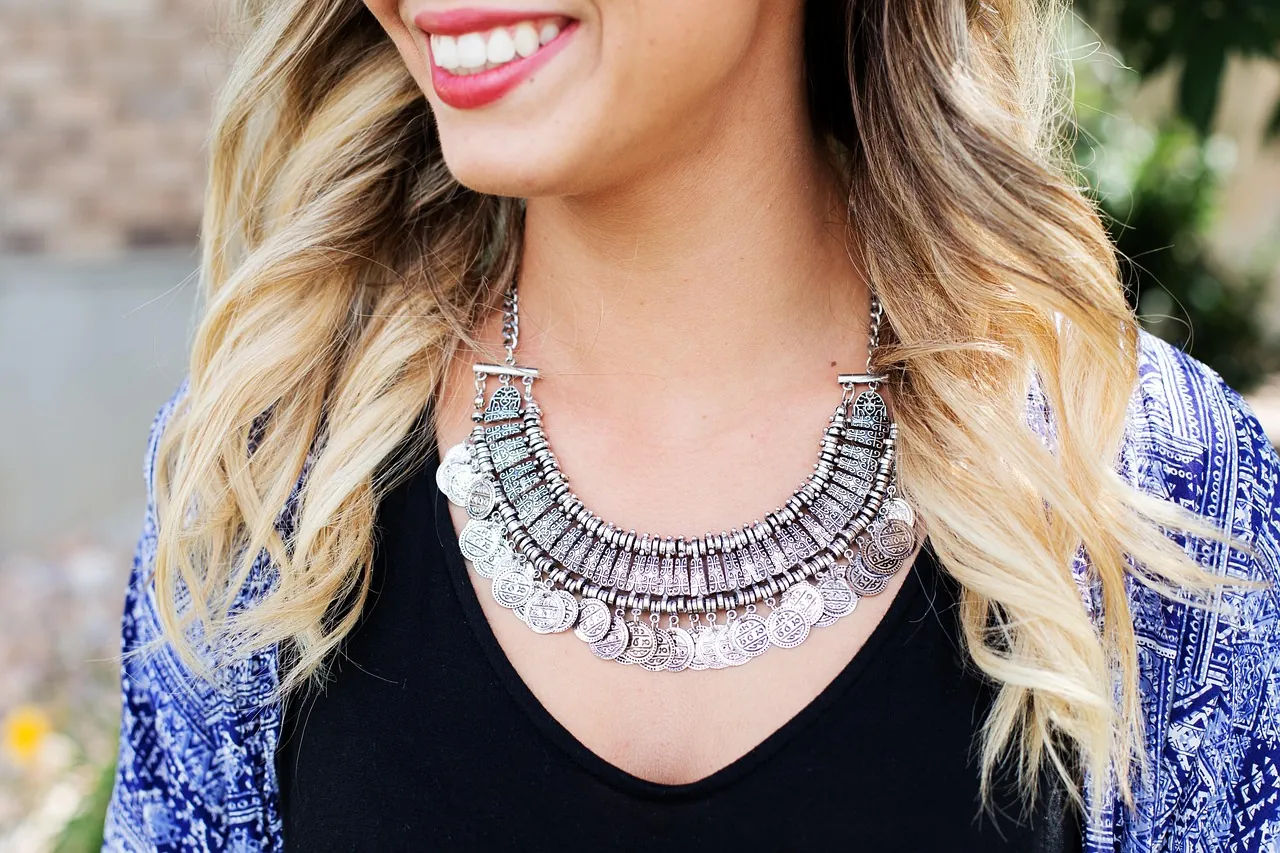
A statement necklace can transform a basic outfit into something spectacular. Look for designs that reflect your personal style, whether that's bold geometric shapes or elegant pearls. A chunky gold chain, for instance, can elevate a simple black dress, making it suitable for both daytime meetings and evening events.
2. Chic Bags
Your choice of bag says a lot about your fashion sense. Consider investing in a versatile piece like a structured tote for workdays or a crossbody bag for casual outings. Opt for neutral colors such as black or tan for maximum versatility, or choose a vibrant hue to add a pop of color to your ensemble.
3. Timeless Watches
A watch serves as both a practical accessory and a fashion statement. Whether you prefer minimalist designs or intricate chronographs, a well-chosen timepiece can complement any look while adding an air of sophistication.
Rotating Accessories for Fresh Looks
The trick to keeping your style fresh without overhauling your wardrobe constantly is to rotate your accessories regularly. This doesn't mean buying new items all the time but rather varying how and when you use them.
- Weekly Rotation: Set a schedule to swap out certain accessories weekly. For example, wear your statement necklace one week and switch to bold earrings the next.
- Seasonal Adjustments: Some accessories naturally suit different seasons. A silk scarf might be perfect for spring, while leather gloves could complement your fall attire.
- Event-Specific Choices: Tailor your accessory choices to specific events or occasions. A clutch might be more appropriate for formal gatherings compared to a tote bag.
Practical Tips for Accessorizing
Accessorizing is an art that can be honed with practice and creativity. Here are some practical tips:
- Match Metals Carefully: While mixing metals can work, sticking to one metal tone per outfit often looks more cohesive.
- Balance Boldness: If you opt for a bold accessory, balance it with simpler clothing to avoid overwhelming your look.
- Consider Proportions: The size of your accessories should complement your frame and the cut of your clothes. Petite frames may be overwhelmed by oversized necklaces or earrings.
The Impact of Color and Texture
When choosing accessories, don't underestimate the power of color and texture in transforming an outfit. A bright red bag can invigorate an all-black ensemble, while a velvet belt might add richness to a wool dress.
Try experimenting with unexpected combinations—a metallic clutch paired with denim or wooden bangles with silk tops—to discover new dimensions in your style.
Conclusion: Expressing Individual Style
Your accessories are extensions of your personality; they allow you to express who you are without saying a word. By identifying your core wardrobe, selecting focal accessories wisely, and rotating them strategically, you can enhance your daily outfits and refresh your look with minimal effort.