Examining AI's Influence on Traditional Classical Composition Practices
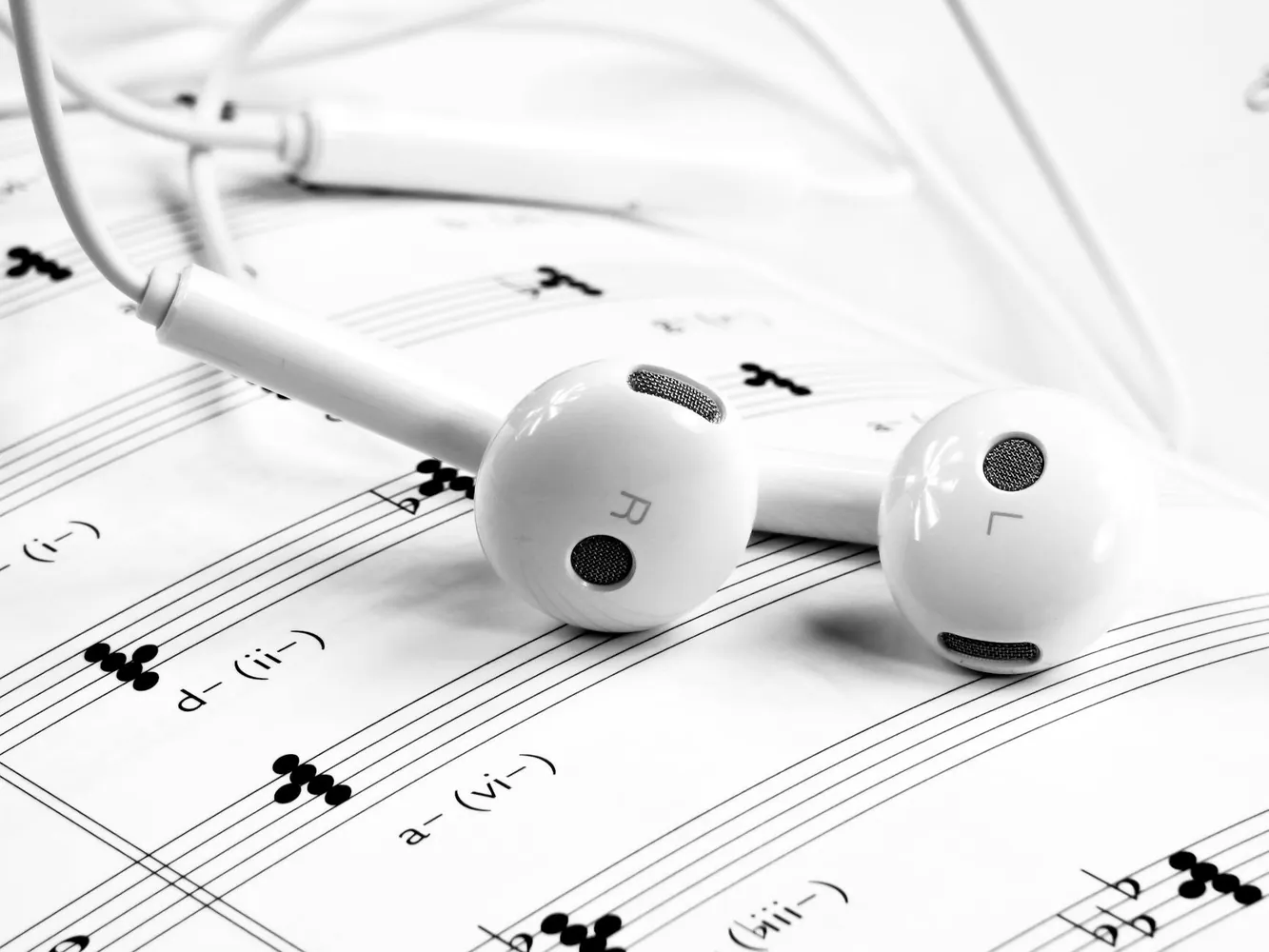
The Intersection of Technology and Tradition in Classical Music
In the realm of classical music, where tradition holds a sacred place, the emergence of artificial intelligence (AI) as a compositional tool presents both exciting opportunities and complex challenges.
As composers increasingly harness AI to create innovative works, this technological infusion prompts a reevaluation of what constitutes creativity and authorship in the classical genre.
How AI is Revolutionizing Composition Techniques
AI algorithms are designed to analyze vast amounts of data—historical compositions, theoretical models, and even contemporary works. By identifying patterns and styles, AI can generate music that is not only coherent but also stylistically faithful to a particular genre or composer. A notable example is AIVA (Artificial Intelligence Virtual Artist), which can compose symphonic music with remarkable sophistication.
- Pattern Recognition: AI systems are adept at recognizing musical patterns, scales, and structures, allowing them to emulate the nuances of classical compositions.
- Stylistic Imitation: By training on extensive libraries of music, AI can produce compositions in the style of composers such as Bach or Beethoven, challenging our notions of originality.
Benefits of Integrating AI in Classical Music Composition
The integration of AI into classical music composition offers several tangible benefits. Composers can explore new creative horizons by leveraging technology that provides fresh perspectives and inspiration.
Enhanced Creativity: AI can suggest unexpected chord progressions and thematic variations that may not have occurred to human composers, fostering innovation.
Efficiency and Productivity: With AI handling repetitive tasks such as harmonization and orchestration, composers can focus on more strategic and creative aspects of music-making.
Challenges and Ethical Considerations
Despite its potential, the use of AI in classical composition raises several ethical concerns. The notion of creativity traditionally involves a deeply personal and human touch, which AI-generated music may lack.
- Authorship and Originality: If a machine generates a composition, who should be credited as the author? This question remains contentious among artists and legal experts alike.
- Impact on Human Musicians: As AI becomes more proficient at generating music, there is concern over its impact on employment for human composers.
Case Studies: AI in Action
Several contemporary composers have embraced AI, yielding fascinating results that exemplify its transformative potential.
The Case of David Cope
David Cope, a pioneer in algorithmic composition, created EMI (Experiments in Musical Intelligence), a program that produces compositions in the style of various classical composers. Cope's work demonstrates how AI can preserve traditional techniques while introducing novel elements.
AIVA: Creating Symphonic Masterpieces
AIVA has been trained on a wide array of classical works, enabling it to compose pieces performed by professional orchestras. Its ability to blend different musical styles into coherent compositions exemplifies AI's capability to innovate within the classical genre.
Taryn Southern's Collaborations
Taryn Southern has collaborated with AI to produce I AM AI, an album that combines human intuition with machine precision. This partnership illustrates how AI can complement human creativity rather than replace it.
The Future of Classical Composition with AI
As AI technology continues to evolve, its role in classical composition is likely to expand. However, the extent to which it will redefine traditional practices remains uncertain.
Practical Tips for Composers Using AI
- Leverage AI for Inspiration: Use AI-generated ideas as a starting point rather than a finished product. This allows for personal input and customization.
- Maintain Artistic Integrity: Balance technological assistance with personal artistry to ensure that compositions retain a human touch.
Navigating the Ethical Landscape
Composers should engage with ethical considerations proactively. Transparent collaboration between humans and machines can help maintain clarity around authorship and intent.
Conclusion: Harmonizing Innovation with Tradition
The integration of AI in classical composition offers unprecedented possibilities for innovation while challenging long-held assumptions about creativity and authorship. As this technological frontier continues to expand, composers must navigate the delicate balance between embracing new tools and preserving the rich legacy of classical music. By doing so, they can create works that resonate with authenticity and ingenuity for generations to come.