Crafting Creative Dishes: The Rise of Edible Insects in Modern Kitchens
The Culinary Renaissance: Embracing Insects
For centuries, the idea of incorporating insects into the diet has been common in many cultures around the globe. In places like Thailand, Mexico, and Ghana, edible insects are a dietary staple.
Recently, this trend is gaining traction in Western cuisines as chefs experiment with these protein-packed ingredients to create innovative dishes.
Driven by a growing awareness of sustainability and the need for alternative protein sources, culinary experts are tapping into this rich source of nutrition and flavor. Let's explore how edible insects are reshaping modern kitchens and making their way into gourmet recipes.
Understanding the Nutritional and Environmental Benefits
Edible insects are not just a novelty; they are nutritional powerhouses. High in protein, healthy fats, vitamins, and minerals, they offer significant benefits over traditional livestock.
- Protein Power: Crickets, for instance, contain about 60% protein by weight, higher than beef or chicken.
- Essential Nutrients: Many edible insects are rich in essential nutrients such as iron, zinc, and vitamin B12.
- Low Environmental Impact: Farming insects requires far less land, water, and food compared to traditional livestock farming. They produce minimal greenhouse gases and can be farmed on organic waste.
A Sustainable Solution
The environmental benefits are particularly compelling. As global populations grow and climate concerns intensify, sustainable food sources like edible insects provide a viable solution. Compared to conventional livestock farming, insect farming is more efficient and environmentally friendly.
Case Studies: Innovative Chefs Leading the Charge
Around the world, visionary chefs are pioneering the use of edible insects in fine dining, transforming perceptions and opening diners' eyes to new culinary possibilities.
René Redzepi at Noma
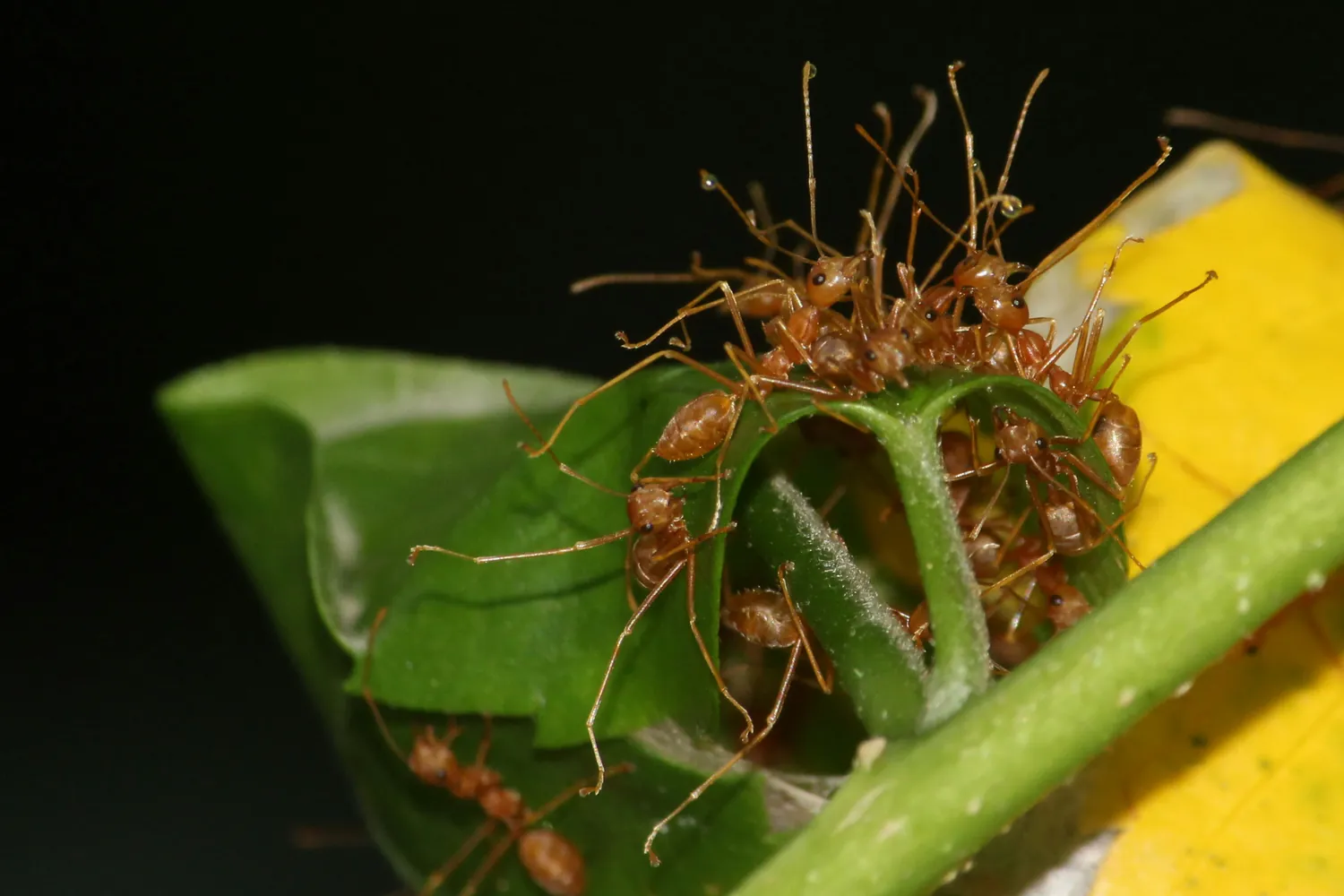
René Redzepi, chef at the acclaimed restaurant Noma in Copenhagen, has explored the potential of insects in his seasonal menus. Known for pushing culinary boundaries, Redzepi has incorporated ants into dishes for their citrusy flavor profile. This not only adds a unique taste but also introduces diners to the potential of edible insects as gourmet ingredients.
Maurizio Montalti's Fungus-Infused Delights
In Amsterdam, Maurizio Montalti has combined his expertise in biotechnology with his passion for culinary arts. He uses fungi and edible insects together to create texturally complex and flavor-rich dishes that intrigue and delight diners. His approach exemplifies the intersection of science and gastronomy.
Creating Your Own Insect-Infused Delights
For those intrigued by the idea of cooking with insects, here are some practical tips and recipes to get started.
Choosing Your Ingredients
- Selecting the Right Insects: Start with accessible options like crickets, mealworms, or grasshoppers, which are easy to source from specialty food stores or online vendors.
- Ensuring Quality: Choose products that are organically farmed and processed to ensure safety and quality.
Recipes to Try at Home
Here are a few beginner-friendly recipes that highlight the versatility of edible insects.
- Cricket Protein Bars: Blend cricket flour with oats, honey, and nuts for an energy-packed snack that's perfect for on-the-go nutrition.
- Mealworm Stir Fry: Toss mealworms with fresh vegetables, soy sauce, and sesame oil for a quick and nutritious meal.
- Grasshopper Tacos: Sauté grasshoppers with spices and lime juice, then serve in corn tortillas with avocado and salsa.
Preparation Tips
- Experiment with Flavors: Insects have subtle flavors that can be enhanced with herbs and spices. Be adventurous but thoughtful in your seasoning choices.
- Texture Considerations: Some insects offer a crunchy texture when roasted or fried, adding an interesting element to dishes.
The Future of Edible Insects in Cuisine
The integration of edible insects into mainstream cuisine is still in its early stages but shows promise. As awareness of their benefits grows, more chefs and home cooks may begin to incorporate these sustainable ingredients into everyday meals.
A Growing Market
The market for edible insects is expanding rapidly. According to market research firm Meticulous Research®, it is expected to reach $8 billion by 2030. This growth is driven by increased interest from both consumers looking for sustainable foods and chefs seeking new culinary frontiers.
Conclusion: Embracing Change on Our Plates
The rise of edible insects in modern kitchens is more than just a trend; it's a movement towards sustainability and innovation in culinary arts. By embracing these ingredients, we open ourselves to new flavors, enrich our diets with sustainable nutrition, and contribute positively to our planet's health. The future of food is evolving, and edible insects have an exciting role to play on our plates.