The Connection Between Afrobeat Sounds and Modern Pop Hits Today
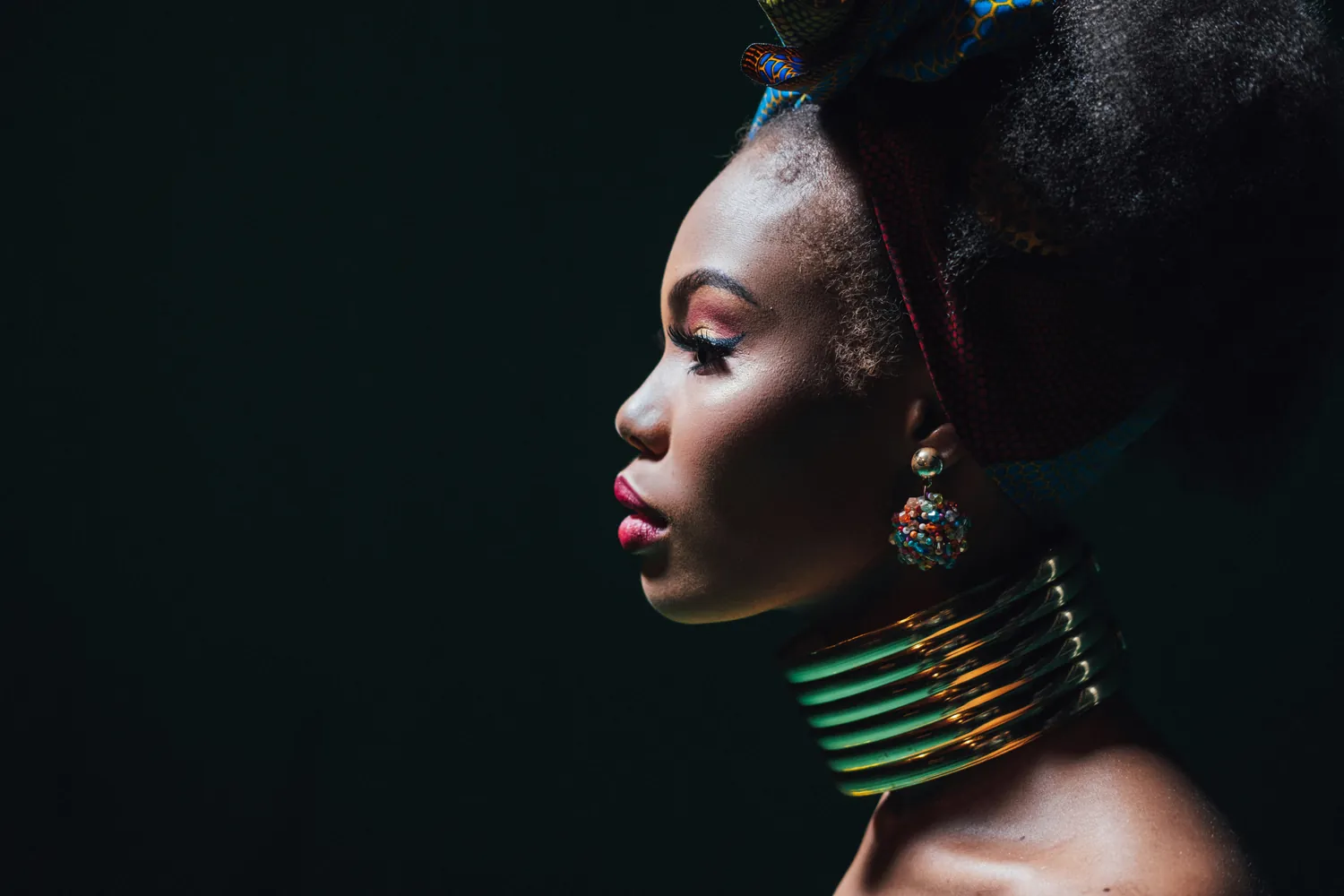
The Global Emergence of Afrobeat
Afrobeat, a genre pioneered by the legendary Nigerian musician Fela Kuti, is more than just a style of music; it's a vibrant cultural phenomenon. Emerging in the late 1960s, Afrobeat is a dynamic fusion of jazz, funk, highlife, and traditional African rhythms.
Its unmistakable sound is characterized by complex poly-rhythms, exuberant horns, and an unwavering groove that encourages movement.
The genre has grown beyond its West African roots to influence a variety of contemporary music styles across the globe. Artists from diverse backgrounds have integrated Afrobeat’s infectious rhythms and grooves into their own music, thereby reshaping modern pop music landscapes.
Afrobeat's Impact on Contemporary Pop Music
The impact of Afrobeat on today’s music scene is undeniable. Pop stars like Beyoncé, Drake, and Burna Boy have drawn inspiration from Afrobeat, infusing their tracks with its distinctive beats and melodies. This has not only brought Afrobeat to mainstream audiences but has also fostered a cross-cultural exchange that celebrates diversity.
Beyoncé's African Influence
In her album "The Lion King: The Gift," Beyoncé prominently features Afrobeat sounds, collaborating with African artists such as Wizkid and Tiwa Savage. This project not only showcases the power of Afrobeat but also highlights Beyoncé’s commitment to spotlighting African culture and talent on a global stage. The track "Brown Skin Girl" fuses Afrobeat rhythms with a message of empowerment, illustrating how seamlessly these elements can be blended.
Burna Boy: The African Giant
Burna Boy is perhaps the most recognized artist embodying the Afrobeat resurgence today. His music epitomizes the essence of Afrobeat while infusing contemporary elements that appeal to global audiences. Albums like "African Giant" and "Twice as Tall" demonstrate his ability to harness the energy of Afrobeat in a way that speaks to both traditional fans and new listeners.
Burna Boy’s international collaborations, including working with artists like Ed Sheeran and Stormzy, further illustrate how Afrobeat serves as a bridge between cultures, bringing together diverse sounds to create something universally appealing.
The Evolution of Afrobeat in Modern Production
The evolution of production techniques has also played a significant role in the integration of Afrobeat into pop music. Modern technology allows for the seamless blending of traditional instruments with digital sounds, making it easier for producers to experiment and innovate.
Production Techniques
- Sampling and Looping: Many producers sample classic Afrobeat tracks, looping key segments to create an authentic foundation for new compositions.
- Hybrid Instrumentation: Combining live instrumentation typical of Afrobeat with synthesized beats enables a fresh sonic landscape that resonates with contemporary audiences.
- Digital Tools: Software like Ableton Live and FL Studio offers producers an array of tools to recreate the rhythmic complexity of Afrobeat digitally.
Afrobeat's Role in Cultural Identity
Beyond its musical contributions, Afrobeat plays a crucial role in the expression of cultural identity and social commentary. Fela Kuti used his platform to address political issues and advocate for change, setting a precedent for artists who use music as a tool for activism.
This tradition continues today as artists employ Afrobeat to voice societal issues, celebrate African heritage, and promote unity across borders.
Comparative Approaches: Integration vs. Inspiration
While some artists choose to integrate Afrobeat directly into their work, others use it as an inspiration for new creative directions.
Direct Integration
This approach involves incorporating Afrobeat elements directly into compositions. Artists like Burna Boy and Wizkid are prime examples. They use traditional rhythms and instruments to stay true to the genre while blending them with contemporary pop elements.
- Pros: Authentic representation, appeals to Afrobeat purists.
- Cons: Risk of alienating audiences unfamiliar with the genre's intricacies.
Inspirational Use
Other artists draw inspiration from Afrobeat without fully adopting its style. This often results in tracks that have a distinct flair but are not strictly bound to the genre’s conventions.
- Pros: Broader appeal, flexibility in creative expression.
- Cons: May dilute core Afrobeat elements, losing cultural significance.
Practical Tips for Musicians
For musicians looking to incorporate Afrobeat into their music, consider the following:
- Understand the Roots: Study classic Afrobeat tracks to grasp the genre's fundamental elements.
- Collaborate with Authenticity: Work with artists who are deeply rooted in the genre to ensure authenticity and respect for its traditions.
- Experiment with Balance: Strive to maintain a balance between traditional sounds and modern influences.
The Future of Afrobeat
The future looks bright for Afrobeat as it continues to inspire and shape music worldwide. As global interconnectedness increases, so too does the potential for genres like Afrobeat to break down barriers and bring people together through shared musical experiences.
In conclusion, Afrobeat's integration into modern pop music is more than just a trend; it's a testament to the genre’s enduring influence and power. Whether through direct adoption or inspirational influence, Afrobeat continues to enrich the global musical landscape with its vibrant sounds and meaningful messages.