Insights on Managing Exclusive Wines and Building Your Private Cellar
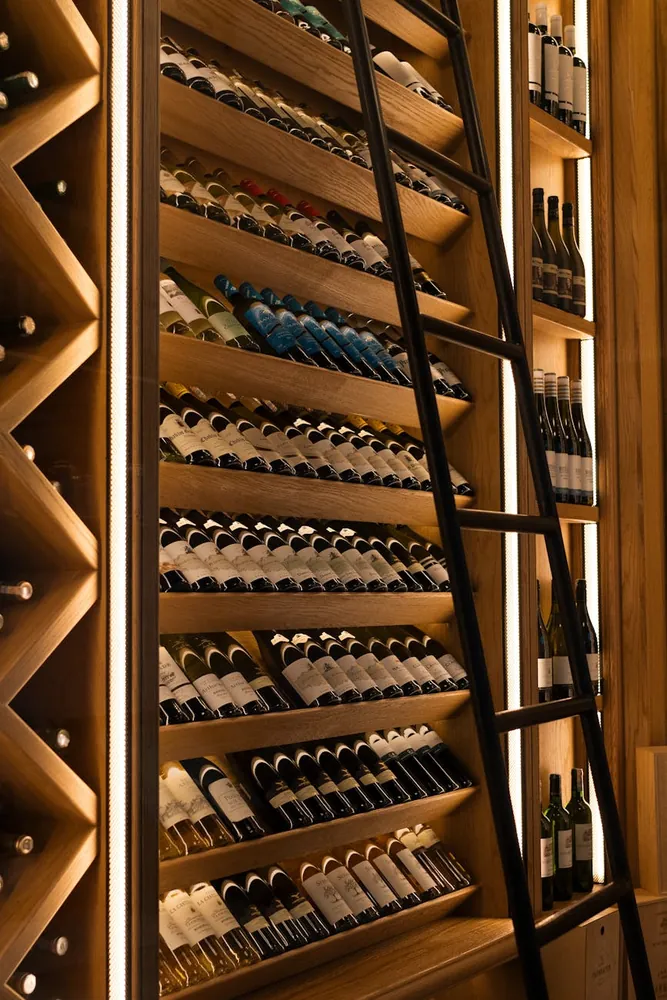
The Art of Selecting Rare Vintages
Building a private wine cellar is not just about the aesthetics of a well-stocked collection. It’s a journey through geography, history, and the intricate art of winemaking. To start this journey, it's crucial to understand what makes a vintage rare and why certain wines gain exclusivity.
Understanding Terroir and Its Influence
Terroir refers to the unique set of environmental conditions in which the grapes are grown. This includes soil, climate, and topography. A profound understanding of terroir can be the first step in identifying rare vintages. For example, Burgundy’s Côte d'Or is renowned for its complex soils, creating wines with unparalleled depth and character. Burgundy’s famous domains like Domaine de la Romanée-Conti owe much of their success to their terroir, making their bottles sought after by collectors worldwide.
Choosing Acclaimed Vineyards
When selecting rare vintages, focusing on vineyards with a history of excellence can guide your decisions. Acclaimed vineyards often have a legacy that spans centuries, like the legendary Chateau Margaux in Bordeaux, known for producing rich and velvety wines. These vineyards usually employ age-old techniques coupled with modern technology to produce exceptional wines each year.
- Bordeaux: Known for its blends, the region offers some of the most coveted wines globally. The en primeur system allows collectors to invest in futures of great Bordeaux wines before they are bottled.
- Burgundy: With a focus on Pinot Noir and Chardonnay, the region’s small production runs add to the exclusivity.
Building and Managing Your Private Cellar
A private cellar is not merely a storage space but an ecosystem that preserves and enhances the qualities of your collection. Here’s how you can ensure that your cellar maintains the integrity of your wines.
Temperature and Humidity Control
The temperature should consistently remain between 45°F and 65°F (7°C to 18°C), with an ideal target of around 55°F (13°C). Fluctuations can cause corks to expand or contract, leading to oxidation or seepage. Humidity should be kept around 70% to prevent corks from drying out.
- Install a reliable cooling system designed specifically for wine cellars.
- Use a hygrometer to regularly monitor humidity levels.
Storage Techniques
Bottles should be stored horizontally to keep the cork moist, which is vital for long-term aging. Avoid storing wines near strong odors or vibrations, as these can affect their delicate flavors.
Insights from Top Sommeliers
Sommeliers possess a wealth of knowledge from years of tasting and handling diverse wines. Their insights can be invaluable when curating your collection.
Investment vs. Enjoyment
Many sommeliers advise balancing wines you plan to enjoy soon with those meant for investment. While investment wines may include highly-rated Bordeaux from a premier cru chateau, personal enjoyment might include finding lesser-known gems from emerging regions like Argentina’s Malbec or New Zealand’s Sauvignon Blanc.
Tasting Notes and Keeping Records
A detailed record-keeping system aids in monitoring wine aging progress. Sommeliers often recommend maintaining tasting notes along with details of each wine's vintage, vineyard, price, and expected peak maturity.
- Create digital records or use apps dedicated to wine inventory management.
- Regularly update your notes following tastings or re-evaluations.
The Role of Auctions and Exclusive Clubs
Participation in wine auctions and exclusive wine clubs can also elevate your wine collection journey. Not only do they provide access to rare bottles, but they also offer opportunities for networking with fellow collectors and enthusiasts.
Navigating Wine Auctions
Wine auctions, such as those held by Sotheby’s or Christie’s, are gateways to acquiring some of the rarest bottles available. Before participating:
- Research past auction results to understand pricing trends.
- Attend preview events to inspect the bottles physically.
Joining Exclusive Wine Clubs
Exclusive wine clubs often provide access to limited-release wines and vineyard tours. Membership benefits can include direct consultations with winemakers or exclusive tastings. Being part of such clubs ensures continuous learning and immersion into the world of fine wines.
Conclusion: Crafting Your Legacy
Building a private wine cellar is not simply about amassing bottles; it’s about crafting a legacy that reflects personal taste and appreciation for quality and rarity. By understanding the nuances of selecting rare vintages and managing your collection with precision, you can ensure your cellar becomes a timeless treasure trove of wine culture.