Exploring Design Philosophy: Minimalism and Opulence in Luxurious Spaces
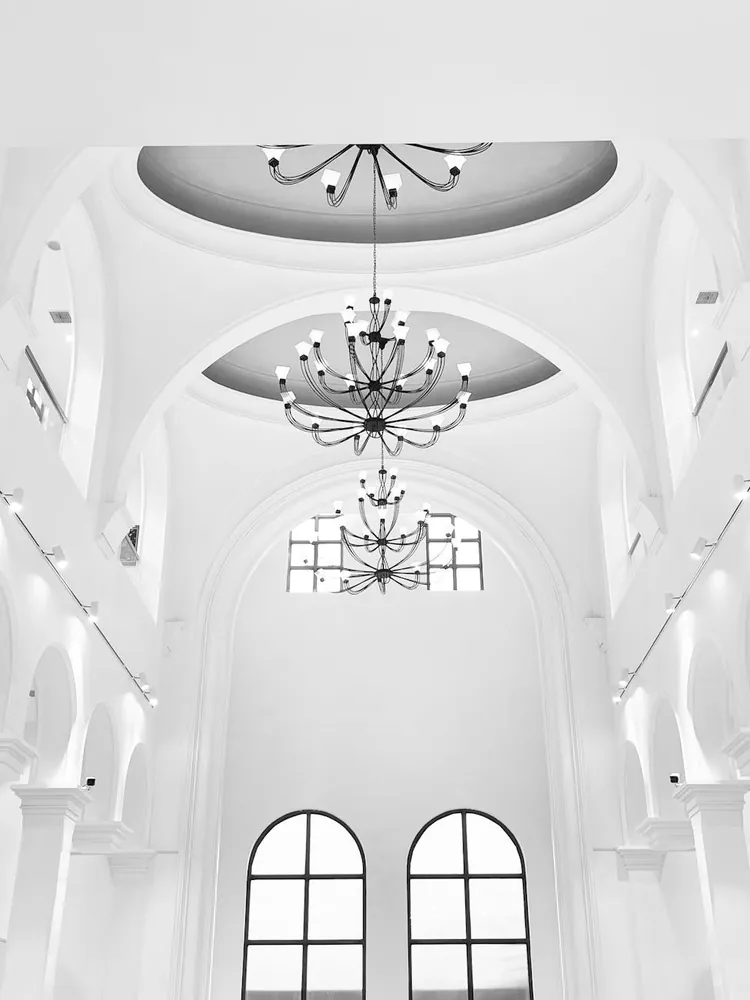
Balancing Minimalism and Opulence in Luxury Interiors
The art of interior design is a journey of creating spaces that are not only functional but also visually appealing. In luxury homes, two contrasting yet compelling design philosophies—minimalism and opulence—offer unique interpretations of elegance and sophistication.
While minimalism emphasizes simplicity and function, opulence indulges in grandeur and abundance. Understanding these design philosophies can help homeowners select the style that resonates with their lifestyle and aesthetic preferences.
Minimalism: The Elegance of Simplicity
Minimalist design is characterized by its clean lines, neutral color palettes, and uncluttered spaces. Originating from the modernist movement of the 20th century, minimalism emphasizes the idea that less is more. This approach is often embraced by those who value simplicity, order, and a tranquil atmosphere.
Aesthetic Appeal
Minimalist luxury spaces are defined by their serene and uncluttered appearance. The use of high-quality materials, such as natural stone, polished concrete, and fine woods, adds a sense of elegance without overwhelming the senses. The focus on light and space enhances the aesthetic, creating an airy and inviting environment.
Functionality
In minimalist design, functionality takes center stage. Each piece of furniture serves a purpose, contributing to the room's utility without unnecessary adornments. The streamlined approach not only makes cleaning and maintenance easier but also encourages mindfulness in how space is used.
Practical Tips for Achieving Minimalism
- Choose a neutral color palette to promote calmness and continuity.
- Invest in multifunctional furniture to optimize space usage.
- Incorporate natural light through large windows or skylights to enhance openness.
- Select art pieces judiciously to avoid visual clutter.
Opulence: The Art of Abundance
Opulent design harkens back to classic styles where wealth and status were displayed through richly decorated interiors. It involves the use of lavish materials, intricate details, and bold color schemes to create an aura of luxury and splendor.
Aesthetic Appeal
Opulent interiors are often elaborate, with ornate moldings, crystal chandeliers, and sumptuous fabrics like velvet and silk. The use of gold accents and deep colors such as emerald green or royal blue contribute to a sense of grandeur. These elements work together to craft an environment that feels both dramatic and welcoming.
Functionality
While opulent spaces prioritize visual impact, they do not forsake comfort. Plush furniture arrangements invite relaxation, while decorative elements like large mirrors enhance the room's depth and dimension. However, it's important to balance opulence with practicality to prevent spaces from feeling overbearing.
Practical Tips for Embracing Opulence
- Layer different textures and patterns to add depth to the room.
- Use statement lighting fixtures as focal points.
- Incorporate luxurious materials like marble or mahogany for timeless elegance.
- Select furnishings that blend comfort with aesthetic appeal.
Choosing Between Minimalism and Opulence
The choice between minimalism and opulence ultimately depends on personal preference, lifestyle needs, and the architectural characteristics of the home. Homeowners should consider factors such as the desired atmosphere, maintenance capabilities, and how they intend to use each space.
Concrete Example Scenarios
Imagine a young couple moving into a modern city penthouse. They lead busy lives and prefer coming home to a serene environment that offers peace after a hectic day. For them, a minimalist design provides the perfect escape with its calming neutrality and lack of distractions.
In contrast, consider a family inheriting a historic mansion. To honor the home's original character while enjoying the comforts of modern life, they might opt for an opulent design. This choice allows them to embrace the home's architectural grandeur while adding contemporary touches for warmth and usability.
Finding Harmony: Combining Minimalism and Opulence
It’s possible to blend elements of both minimalism and opulence to create a balanced luxury interior that reflects diverse tastes. This hybrid approach leverages the best aspects of both styles to achieve harmony and sophistication.
Aesthetic Fusion
Consider using a minimalist color palette as a foundation while integrating opulent textures and finishes for accent. For instance, pairing sleek white walls with plush velvet sofas or using minimalist furniture alongside intricate chandeliers can create an elegant contrast.
Functional Fusion
Functionally, this hybrid style can incorporate multifunctional furniture with decorative detailing that nods to opulence. This ensures spaces are both practical for everyday use while retaining an upscale aesthetic.
Process Checklist for a Hybrid Approach
- Identify key minimalist elements (neutral tones, streamlined shapes) as your base.
- Add opulent accents like gilded mirrors or textured wallpaper strategically.
- Ensure all additions serve both aesthetic and practical purposes.
- Regularly assess spatial arrangement to maintain balance between open space and decoration.
Conclusion: Crafting Your Ideal Luxury Space
The decision between minimalism and opulence—or perhaps a fusion of both—rests on your individual values, desires, and the way you envision your life unfolding within your home. Whether you lean towards the tranquility of minimalism or the grandeur of opulence, what's important is creating a space that truly feels like yours—a testament to personal taste and an embodiment of luxury living.