Navigating the Fluctuating Availability of Local Ingredients in Recipes
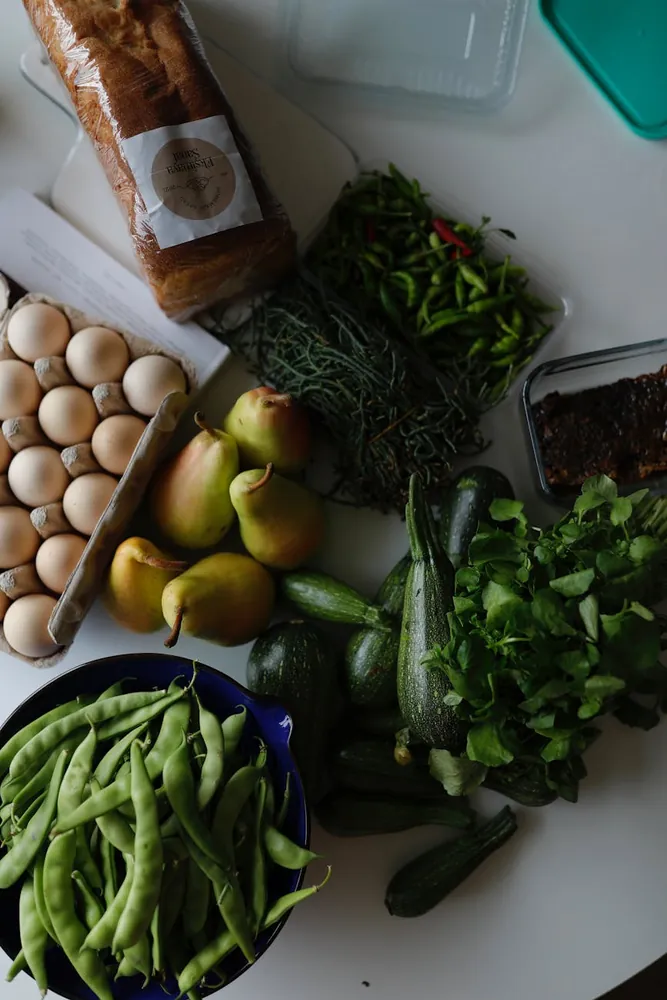
The Allure of Local Ingredients
In recent years, there has been a marked shift towards sourcing local ingredients in culinary practices. This trend isn't just about supporting local economies; it also speaks to a deeper desire for fresher produce and more sustainable consumption habits.
Using local ingredients often means that produce is harvested at its peak ripeness, providing flavors that are unmatched by those transported over long distances.
Yet, as enticing as it is, sourcing local ingredients comes with its set of challenges—primarily availability and price fluctuations. These factors can significantly influence how we cook and what recipes we choose to indulge in at different times of the year.
Benefits of Sourcing Locally
Enhancing Flavor and Nutrition
Local produce often spends less time in transit, ensuring that it arrives at your table with maximal flavor and nutritional value. Fruits and vegetables begin to lose nutrients as soon as they are harvested. Hence, consuming them soon after picking allows you to enjoy their full nutritional benefits.
For example, strawberries from a local farm can be on your plate within 24 hours of being picked, bursting with flavor and nutrients. Compare this to strawberries shipped from thousands of miles away, which may take several days to reach your local supermarket.
Reducing Food Miles
The concept of 'food miles'—the distance food travels from production to consumer—is integral to understanding the environmental impact of our food choices. Sourcing locally reduces these miles considerably, lowering the carbon footprint associated with transportation.
Consider the journey of an avocado from Mexico to the United States: it's not just about the physical distance but also the refrigeration, packaging, and logistical resources required, all of which contribute to greenhouse gas emissions.
Supporting Local Economies
Buying local doesn't just benefit consumers; it bolsters local economies. Farmers and producers see more direct profits when products are sold locally, allowing them to invest back into their businesses and communities. Moreover, consumers often gain a sense of connection to their food sources, fostering community bonds and encouraging responsible farming practices.
Seasonal Recipes That Shine
Embracing Seasonality
One effective way to incorporate local ingredients is by embracing seasonality in your cooking. By tailoring your recipes to what's currently available, you can take full advantage of fresh ingredients while mitigating the impacts of supply fluctuations.
- Spring: Highlight tender greens like arugula and spinach in salads or pestos.
- Summer: Feature juicy tomatoes and cucumbers in refreshing gazpachos or caprese salads.
- Fall: Utilize pumpkins and squash in soups or roasted dishes.
- Winter: Root vegetables like carrots and potatoes can be the star of hearty stews.
These seasonal adaptations not only provide variety but also ensure that your meals are both environmentally conscious and delicious.
Sample Recipe: Summer Vegetable Gazpacho
This cold soup captures the essence of summer produce, utilizing ripe tomatoes, bell peppers, and cucumbers from your local market.
Ingredients:
- 6 large ripe tomatoes, diced
- 1 cucumber, peeled and diced
- 1 red bell pepper, diced
- 1 small red onion, diced
- 2 cloves garlic
- 3 cups tomato juice
- 1/4 cup olive oil
- 2 tablespoons red wine vinegar
- Salt and pepper to taste
- Fresh basil leaves for garnish- In a blender, combine tomatoes, cucumber, bell pepper, onion, garlic, tomato juice, olive oil, and vinegar.
- Blend until smooth; season with salt and pepper.
- Chill in the refrigerator for at least 2 hours before serving. Garnish with fresh basil leaves.
Challenges in Sourcing Local Ingredients
Availability Issues
Local availability often depends heavily on weather patterns and seasonal changes. A poor crop yield due to unexpected weather conditions can limit supply. For instance, a late frost can devastate early spring crops like asparagus or peas.
This unpredictability requires flexibility in meal planning and recipe adaptation. Cooks might need to substitute ingredients based on availability—using green beans instead of peas—or change entire recipes if certain staples aren't accessible.
Price Fluctuations
The price of local produce can also fluctuate due to availability. When a particular crop is scarce, prices naturally rise, making it a challenge for budget-conscious consumers who prefer to buy local.
To manage costs, consider buying bulk when prices are low (for example, during peak harvest) and preserving the excess through freezing or canning. This approach allows you to enjoy local produce even when it's out of season without breaking the bank.
Practical Tips for Sourcing Locally
Building Relationships with Local Producers
Getting to know your local farmers can provide insights into what crops will be available and when. Many farmers offer CSA (Community Supported Agriculture) programs where consumers can subscribe to receive regular shares of produce throughout the season. This not only guarantees a steady supply but also supports the farmers directly.
Utilizing Farmers' Markets and Co-ops
Farmers' markets are a treasure trove for fresh produce and often include specialty items such as homemade jams or organic honey. Co-ops offer another avenue for accessing local products with the added benefit of contributing to cooperative community efforts.
Preserving Seasonal Produce
Investing time in preservation techniques can extend the life of seasonal produce. Freezing fruits like berries, drying herbs such as thyme or oregano, or making jams are all excellent methods for savoring local flavors year-round.
The Future of Local Ingredients
The future looks promising for local sourcing as more consumers demand transparency in their food sources and sustainability in production practices. While challenges exist, they are not insurmountable. Technology may play a role in mitigating some issues by improving forecasting models for weather or enhancing storage techniques to preserve freshness longer.
The commitment to using local ingredients reflects broader values of community support and environmental stewardship—principles that promise not only richer flavors on our plates but also a healthier planet for future generations.