how ancient grains can diversify your diet and boost nutrition
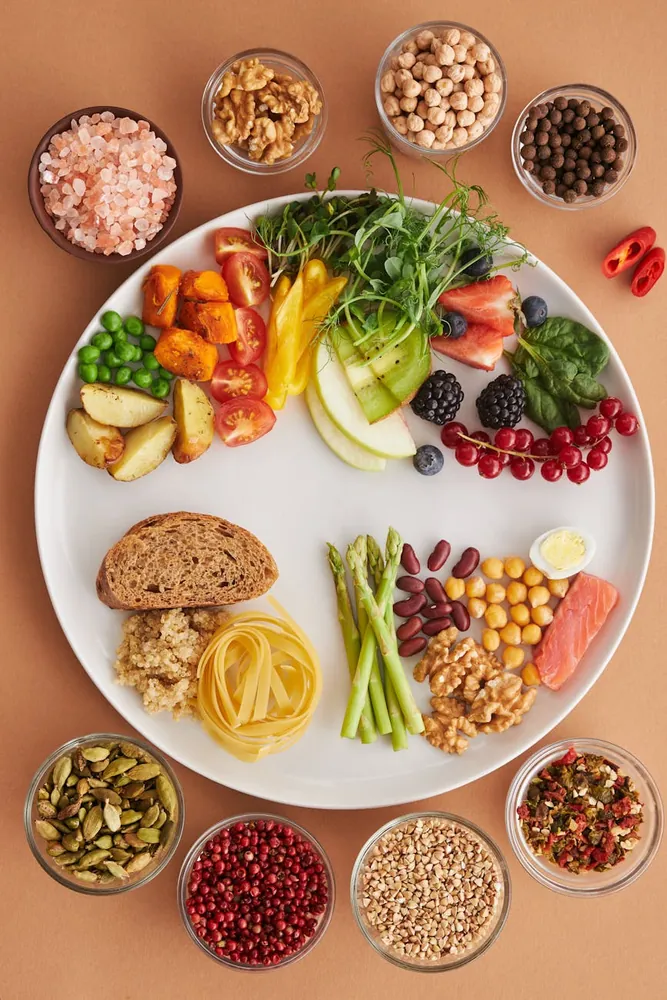
Understanding Ancient Grains
In recent years, there has been a growing interest in ancient grains. These are grains and seeds that have remained largely unchanged over the last several hundred years, unlike more modern grains which have often been modified through selective breeding.
Ancient grains include varieties like quinoa, farro, millet, and amaranth, each offering unique flavors and nutritional profiles.
Why Ancient Grains?
The rise in popularity of ancient grains is not just a fad. These grains offer several benefits over conventional grains such as wheat or rice. They are often more nutrient-dense and less processed, retaining much of their original fiber and nutrient content.
- Nutrition: Ancient grains are typically rich in protein, fiber, vitamins, and minerals.
- Gluten-free options: Many ancient grains like quinoa and amaranth are naturally gluten-free, making them suitable for those with gluten intolerances.
- Flavor diversity: The varied taste profiles of these grains can enhance the culinary experience, making meals more interesting.
Nutritional Benefits
Diversifying your diet with ancient grains can bring numerous health benefits. Their nutrient profiles can help improve digestion, provide a higher intake of vitamins and minerals, and even contribute to reducing the risk of chronic diseases.
Quinoa: A Complete Protein
Quinoa is often heralded as a 'superfood', mainly because it is one of the few plant foods that contain sufficient amounts of all nine essential amino acids. It's also high in fiber, magnesium, B vitamins, iron, potassium, calcium, phosphorus, vitamin E, and various beneficial antioxidants.
Farro: A Fiber Powerhouse
Farro is an ancient grain that's been consumed for thousands of years across Italy and other parts of Europe. It's high in fiber, protein, and several key nutrients such as magnesium and iron. Farro has a chewy texture and a nutty flavor, making it an excellent addition to salads or soups.
- Recipe Idea: Try a farro salad with roasted vegetables and a light vinaigrette for a healthy lunch option.
Incorporating Ancient Grains Into Your Diet
Adding ancient grains to your diet doesn’t require a complete overhaul of your current eating habits. Here are some practical tips on how to include these nutritious options into your meals.
Replacing Refined Grains
A straightforward method to include more ancient grains is to replace refined grains in your diet. Instead of white rice or pasta, try using quinoa or farro as the base for your dishes. This switch not only boosts your meal's nutritional value but also adds new textures and flavors.
Using Ancient Grains in Baking
You can experiment by incorporating ancient grains into your baking recipes. Quinoa flour or amaranth flour can be used as alternatives to wheat flour in muffins, bread, and pancakes. These flours add a unique taste and increased nutritional content.
- Baking Tip: Because ancient grain flours may alter the texture of baked goods, start by replacing just a quarter of the traditional flour with an ancient grain alternative and adjust according to taste and texture preferences.
The Environmental Impact
An additional benefit to consider when consuming ancient grains is their environmental impact. Many ancient grains require fewer resources to grow compared to modern monocultures. This makes them a more sustainable choice in terms of agricultural practices.
Cultivating Biodiversity
Diversifying our diets with ancient grains supports biodiversity both in terms of consumption and cultivation. This is important because a diverse food system is more resilient against diseases and climate change.
Sustainability Practices
The cultivation of these grains often supports local farmers who use traditional agricultural methods that preserve the health of the soil and the environment. By choosing ancient grains, consumers can support these sustainable practices.
Conclusion
Diversifying your diet with ancient grains such as quinoa and farro can significantly boost your nutrient intake while contributing positively to your overall health. Not only do they provide unique flavors and textures to everyday meals, but they also align with sustainable practices that benefit the environment. Whether you’re seeking ways to improve digestion or lower the risk of chronic diseases, integrating these time-honored grains into your diet offers both health advantages and flavorful experiences.