Unlocking the Secrets of Successful Monochrome Wardrobes
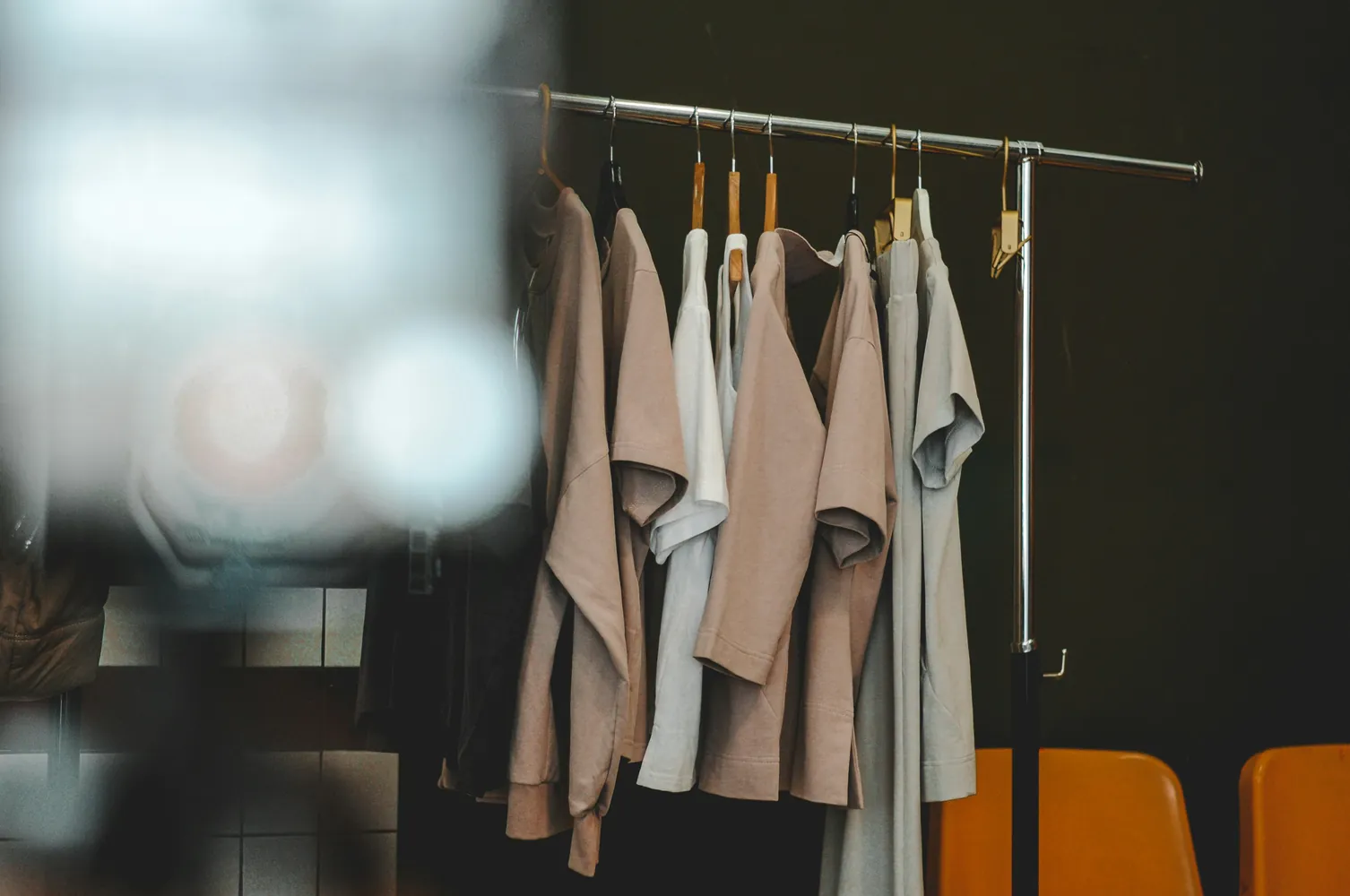
The Art of Monochrome Dressing
Monochrome dressing, often regarded as the pinnacle of chic minimalism, is much more than simply wearing a single color from head to toe. It’s an art form that requires precision, creativity, and a keen eye for detail. When executed correctly, a monochrome outfit can exude confidence, elegance, and sophistication.
So, how do you unlock the secrets of creating stunning monochromatic outfits? The key lies in choosing a base color, incorporating various shades and materials, and selecting complementary accessories. This article will guide you through the process step by step, offering practical advice and real-world examples to ensure your monochrome wardrobe stands out.
Choosing a Base Color
The first step in creating a successful monochrome outfit is selecting a base color that reflects your personal style and the occasion. While classic choices like black, white, and grey are timeless and versatile, don’t shy away from experimenting with bold colors like navy, forest green, or burgundy.
Case Study: The Power of Navy
Navy blue is a particularly powerful choice for a monochrome look due to its versatility and ability to flatter most skin tones. Consider a navy blue wool suit for a formal event. Pair it with a lighter shade of navy for your shirt or blouse to create depth and interest without deviating from the monochrome theme. Complete the look with navy suede shoes and a matching tie or scarf for added texture.
Varying Shades and Materials
A successful monochrome outfit hinges on the effective use of varying shades and materials. This approach prevents the look from appearing flat or dull. For instance, if you choose grey as your base color, consider incorporating charcoal, slate, and dove grey to add dimension.
Example Workflow: Textural Contrasts
- Start with a light grey cashmere sweater as your base layer.
- Add a pair of dark charcoal wool trousers for contrast.
- Introduce texture with a medium grey tweed blazer.
- Finish with patent leather shoes to bring a hint of shine to the ensemble.
This combination not only highlights the beauty of each individual piece but also ensures that your outfit is rich in detail.
Selecting Complementary Accessories
Accessories play a crucial role in elevating a monochrome outfit. They should complement your base color without overpowering it. Consider jewelry, belts, bags, and hats in similar shades or contrasting textures to maintain harmony.
Practical Tips: Accessories That Shine
If you’ve chosen a white monochrome palette, silver or pearl accessories can enhance the ethereal quality of the ensemble. Alternatively, if your base color is black, gold jewelry can add warmth and richness.
Layering for Depth
Layering is an essential technique for adding depth and sophistication to monochrome outfits. It allows you to play with different lengths, fabrics, and silhouettes while maintaining a cohesive look.
Concrete Example: Layered Look
Let’s explore an all-black ensemble suitable for fall:
- Begin with a fitted black turtleneck as your foundation.
- Layer on a mid-length black wool coat with unique stitching details.
- Add ankle-length black leather boots for a sleek finish.
- Incorporate a black satin scarf to introduce sheen and fluidity.
This layered approach not only keeps you warm but also highlights different textures and finishes within the same color spectrum.
The Role of Footwear
Footwear is another key element that can make or break your monochrome look. The right pair can seamlessly integrate into your outfit, while the wrong choice can disrupt the entire aesthetic.
Example: Tailored Footwear Choices
For an earth-toned outfit, consider brown leather loafers for a polished finish. If your palette is more adventurous—say in shades of red—a pair of deep burgundy heels or sneakers can provide continuity without stealing the spotlight.
Avoiding Common Pitfalls
While monochrome dressing can be effortlessly stylish, there are pitfalls to avoid:
- Avoid overly matching every accessory; slight variations in shade can add interest.
- Don’t rely solely on one texture; mix fabrics like wool with silk or leather with knit to add depth.
By steering clear of these common mistakes, you’ll ensure your monochrome outfit is anything but monotonous.
Personalizing Your Monochrome Wardrobe
Your personal style should shine through even in a strict color palette. Feel free to experiment with different silhouettes and statement pieces that reflect your individuality while staying true to the monochrome theme.
Real-World Application: Customization
An off-the-shoulder black dress paired with an oversized black hat can bring drama to a monochrome look. Add a custom belt or bespoke shoes for that unique touch.
The Environmental Impact of Monochrome Fashion
Beyond aesthetics, monochrome wardrobes offer sustainability benefits. Focusing on fewer colors means you’re likely investing in quality over quantity, which leads to less waste.
Sustainability Case Study: Capsule Wardrobes
A capsule wardrobe built around monochrome themes encourages mindful consumption and reduces clutter. Choose durable materials that withstand trends and seasonal changes for maximum impact.
Conclusion: Elevate Your Style
Monochrome dressing is an enduring trend that offers endless possibilities for expressing personal style through subtle nuances in shade and texture. By mastering this art form, you’ll not only enhance your wardrobe but also make a bold fashion statement with every carefully curated outfit.