Consumer Preferences Shifting Toward Gender-Neutral Garment Offerings
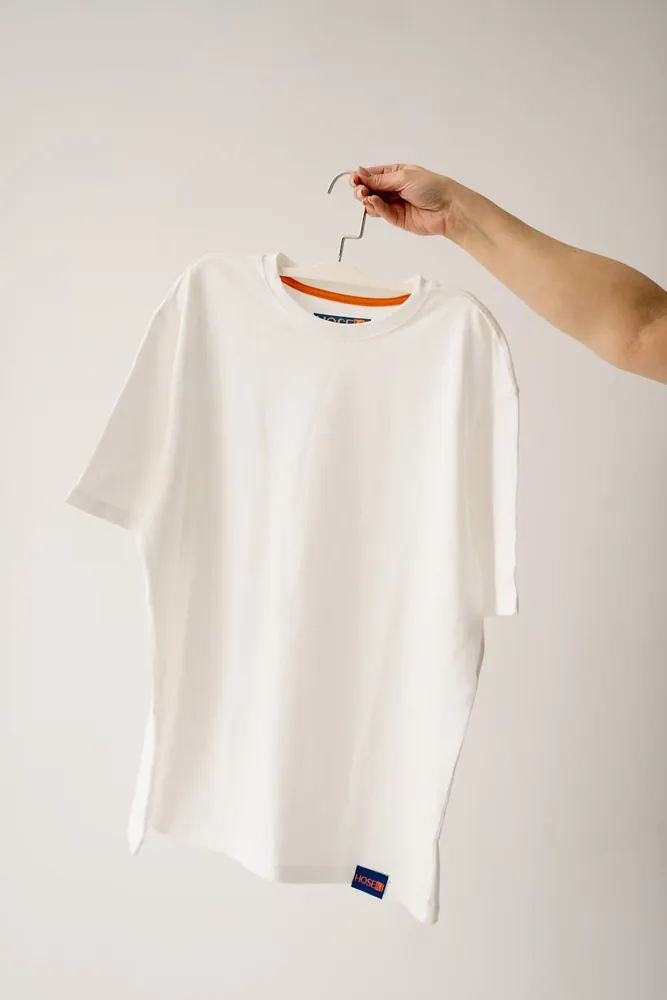
Revolutionizing Fashion: The Rise of Gender-Neutral Clothing
In the ever-evolving world of fashion, a significant shift is taking place: the rise of gender-neutral clothing. This trend challenges the traditional boundaries of fashion and embraces a more inclusive and fluid approach to dressing.
As society becomes increasingly aware of and responsive to gender diversity, brands are adapting by offering lines that cater to this growing demand.
Gender-neutral clothing is not just about blurring lines between men’s and women’s attire; it’s a reflection of changing social norms and a step towards inclusivity and acceptance. This article explores how brands are increasingly offering gender-neutral clothing lines and highlights their impact on traditional fashion norms, backed by sales data trends showing the growth of unisex collections compared to gender-specific ones.
Understanding the Consumer Shift
The shift towards gender-neutral fashion is largely consumer-driven. Today’s consumers, especially Millennials and Generation Z, prioritize authenticity and inclusivity. A survey by Fashion Insight indicates that over 60% of young adults prefer brands that offer gender-neutral options, reflecting a societal shift towards non-binary identities and expressions.
This consumer base is not only interested in aesthetics but also in the values a brand stands for. Brands that embrace gender-neutral collections signal their commitment to inclusivity, thereby gaining consumer trust and loyalty. This trend is not limited to urban centers but is spreading globally as digital platforms make fashion accessible across regions.
The Role of Social Media
Social media platforms like Instagram and TikTok play a crucial role in promoting gender-neutral fashion. Influencers who challenge traditional gender norms have amassed millions of followers, creating a ripple effect that encourages mainstream acceptance. Brands collaborate with these influencers to reach a broader audience, demonstrating the effectiveness of integrating digital marketing with progressive product offerings.
Brands Leading the Change
Several brands have taken the lead in offering gender-neutral clothing lines:
- Nike: Known for its sportswear, Nike launched a unisex collection featuring neutral tones and versatile fits that appeal to a broad audience.
- Zara: A pioneer in fast fashion, Zara introduced 'Ungendered', a line that includes basics like t-shirts, jeans, and sweatshirts designed without specific gender markers.
- Telfar: Telfar's ‘Not for You - For Everyone’ tagline encapsulates the brand's ethos. Its bags and apparel are designed to be inclusive and accessible.
These brands not only offer products but also create narratives around them, using their platforms to discuss inclusivity and diversity, thus reinforcing their market position as forward-thinking entities.
Impact on Traditional Fashion Norms
The introduction of gender-neutral collections disrupts traditional fashion norms that typically segregate clothing into 'men's' and 'women's' sections. This binary categorization is being replaced with fluid options that encourage self-expression beyond conventional limits. Such disruptions pose challenges but also present opportunities:
- Design Challenges: Designers must now consider a wider range of body types and preferences. The focus shifts from gender-specific cuts to universal comfort and style.
- Retail Implications: Retailers face logistical challenges in store layouts and marketing strategies but can reach a broader customer base by stocking unisex collections.
Market Growth and Economic Impact
The economic impact of gender-neutral fashion is substantial. According to Market Watch, the unisex apparel market is projected to grow at a CAGR of 8% over the next five years. This growth outpaces that of traditional gender-specific segments, illustrating a shifting consumer preference towards flexibility and inclusivity.
The increased interest in unisex clothing has also led to innovations in material technology, with brands investing in adaptive fabrics that cater to all body types, further enhancing consumer satisfaction.
Practical Tips for Brands Entering the Gender-Neutral Market
For brands considering entering the gender-neutral market, several practical strategies can ensure success:
- Conduct In-depth Market Research: Understand the demographics and psychographics of your target market. Engage with focus groups to gain insights into preferences and needs.
- Collaborate with Influencers: Partner with influencers who resonate with your brand values. Authentic collaborations can amplify your reach and reinforce your brand message.
- Focus on Versatile Design: Create designs that emphasize comfort, utility, and adaptability. Avoid stereotypical color schemes and opt for neutral tones that appeal broadly.
- Engage with Your Audience: Use social media platforms to engage with your audience. Encourage feedback and incorporate it into your product development cycle.
The Future of Gender-Neutral Fashion
The future of fashion is inclusive, diverse, and non-binary. As brands continue to evolve in response to societal changes, gender-neutral clothing will likely become mainstream. This progression not only represents a shift in fashion but also a broader cultural movement towards acceptance and equality.
The journey towards widespread adoption of gender-neutral clothing will involve overcoming challenges related to tradition and perception. However, the potential rewards include a larger market share, increased consumer loyalty, and the opportunity to lead a cultural revolution within the industry.
A Conclusion Rooted in Acceptance
The shift towards gender-neutral garment offerings is much more than a trend; it represents a fundamental change in how society views identity and self-expression. For consumers, it's about choice and freedom; for brands, it's about embracing change and leading with purpose.
This evolution in fashion reflects broader societal shifts toward equality and representation, ensuring that everyone can find clothing that resonates with their identity without constraints. As we look forward, one thing is clear: gender-neutral fashion is here to stay, reshaping our wardrobes and redefining industry norms for years to come.