The Impact of VR Experiences on Students' Academic Performance and Interest Levels
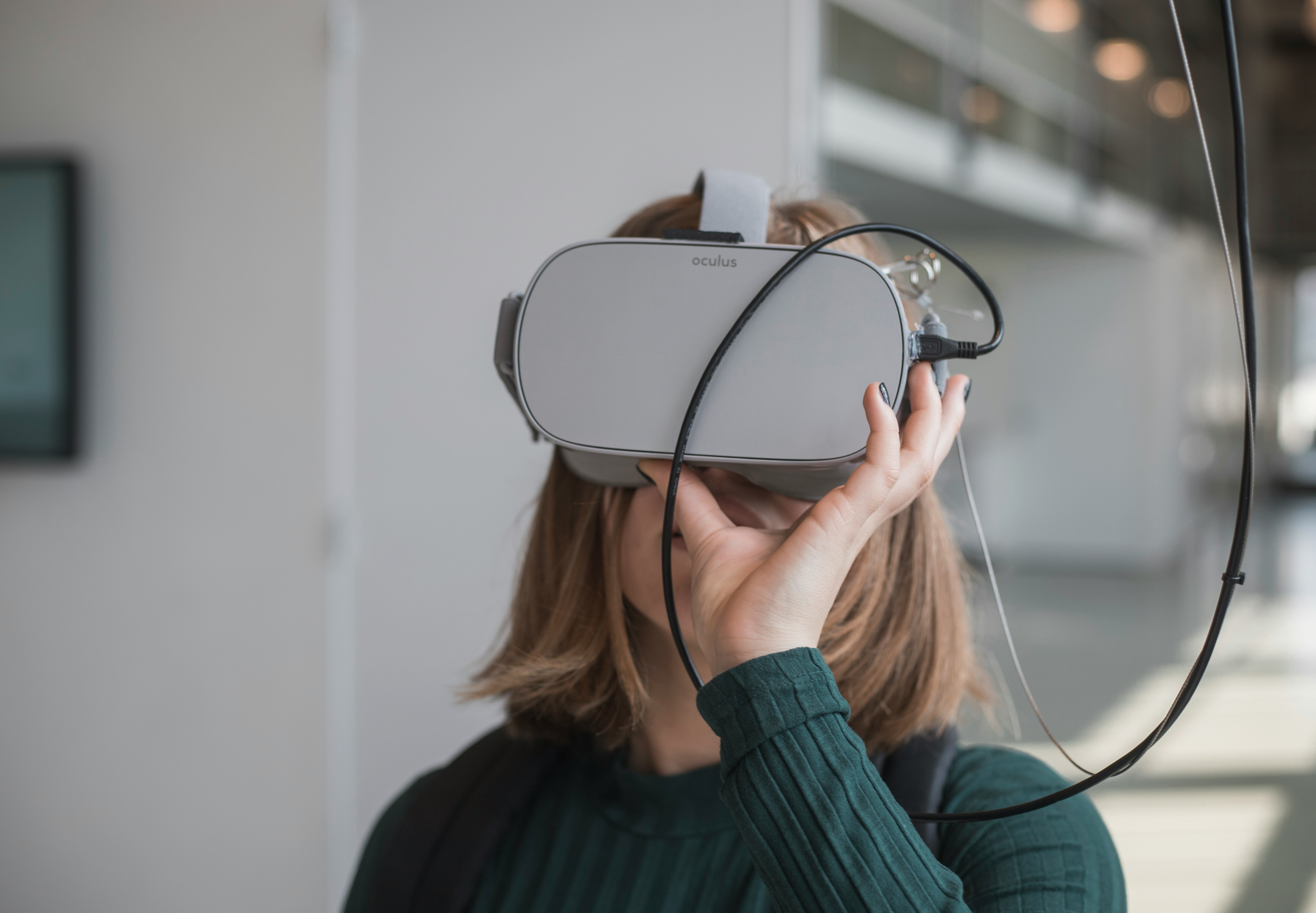
Revolutionizing Education with Virtual Reality
The advent of Virtual Reality (VR) technology is revolutionizing various sectors, with education being one of the most promising areas. As educational institutions grapple with engaging students in an increasingly digital world, VR offers a unique solution to enhance both academic performance and interest levels.
But how does this technology translate into tangible educational benefits, and what challenges might educators face when integrating VR into their curricula?
The Potential Benefits of VR in Education
Virtual Reality in education holds the potential to create immersive learning environments where students can engage with content in ways that were previously impossible. This can lead to improved understanding and retention of complex concepts, increased engagement, and heightened enthusiasm for learning.
- Enhanced Engagement: Traditional teaching methods often struggle to capture students' attention. VR, by its very nature, is engaging and interactive, offering students a 'hands-on' approach to learning.
- Experiential Learning: With VR, students can virtually experience environments that are not easily accessible. For instance, a history lesson about ancient Rome could transform into a virtual walk through the Colosseum.
- Complex Concepts Made Simple: Difficult subjects such as molecular biology or astrophysics can be rendered into visual experiences, making them easier to grasp and remember.
Challenges to Overcome
Despite its benefits, the integration of VR in education is not without challenges. Key hurdles include cost, accessibility, and the need for curriculum development that effectively incorporates VR technology.
- Cost: VR equipment can be expensive, posing a significant barrier for many educational institutions. However, costs are gradually decreasing as technology advances.
- Accessibility: Not all students have equal access to technology at home, which could exacerbate educational inequalities if not addressed.
- Curriculum Integration: Developing a curriculum that seamlessly integrates VR requires training for educators and thoughtful planning to ensure that it complements existing teaching methods.
Successful Implementations of VR in Education
Several educational institutions have successfully integrated VR into their teaching methodologies, setting precedents for others to follow.
Case Study: Biology Classes at Harvard University
At Harvard University, biology professors have integrated VR experiences into their curriculum to teach cellular processes. Students can now 'step inside' a cell and watch proteins interact in real-time. This interactive learning experience has led to higher test scores and improved student feedback.
K–12 Education: Expeditions by Google
Google Expeditions is another example of VR being utilized effectively in classrooms across K-12 education. Through virtual field trips, students can explore places from Mount Everest to the Great Barrier Reef without leaving the classroom. Teachers report increased student interest and participation as a result of these virtual journeys.
Developing a Framework for Integrating VR in Education
To successfully integrate VR into educational settings, institutions can follow a strategic framework that involves several key steps:
- Needs Assessment: Determine what educational gaps VR can fill within the existing curriculum. Focus on areas where traditional teaching methods fall short.
- Pilot Programs: Start with small-scale pilot programs to assess the effectiveness of VR applications in specific subjects before rolling out more broadly.
- Training Educators: Invest in professional development for educators to ensure they are comfortable using VR technology and can maximize its potential in the classroom.
- Feedback Mechanisms: Establish feedback loops with students and teachers to continuously assess the impact of VR on learning outcomes and adjust approaches as needed.
The Future of VR in Education
The future of education may be closely tied to advancements in VR technology. As costs decrease and accessibility improves, we can expect more widespread adoption of VR in classrooms. Future developments may include more sophisticated simulations and augmented reality (AR) applications that further blend physical and digital learning experiences.
With continued innovation and strategic implementation, virtual reality has the potential to transform education profoundly—making learning more engaging, interactive, and effective than ever before.