Strengths and Challenges of Project-Based Learning in Academic Settings
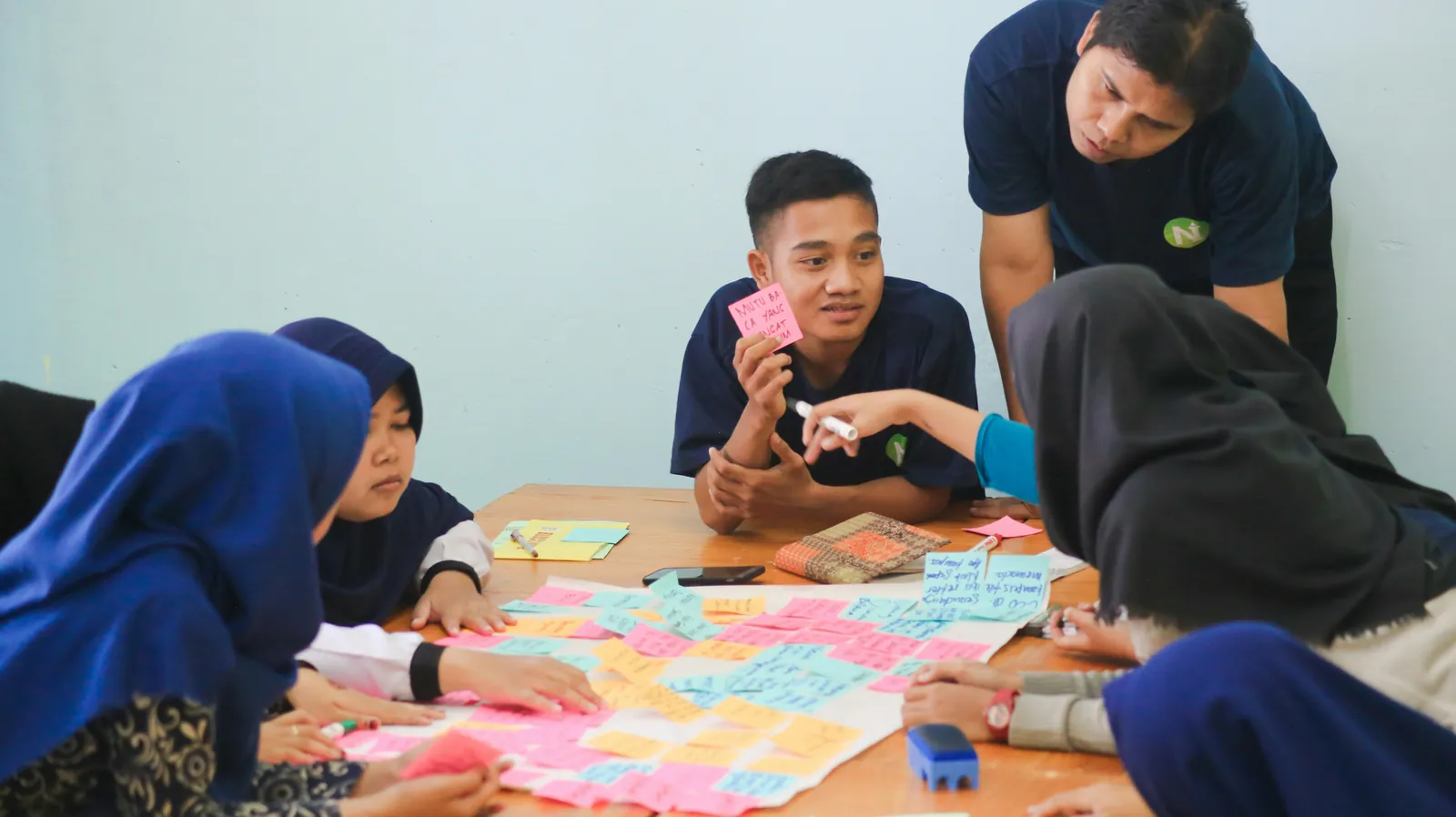
Understanding Project-Based Learning and Traditional Lectures
In the quest for effective educational methods, educators often find themselves weighing the benefits and drawbacks of Project-Based Learning (PBL) against traditional lecture methods. Both approaches have distinct pedagogical philosophies and cater to different learning objectives.
Project-Based Learning revolves around student-centered inquiry where learners gain knowledge by actively engaging in real-world and meaningful projects. In contrast, traditional lectures focus on the dissemination of information from teacher to student, emphasizing a structured and systematic transmission of knowledge.
To better understand the implications of these methodologies, we need to explore their strengths and challenges in promoting student engagement and knowledge retention.
Engagement: PBL vs. Traditional Lectures
Pros of Project-Based Learning
PBL is lauded for its ability to actively engage students through hands-on experiences. By involving students in projects that require them to solve real-world problems, PBL nurtures critical thinking and problem-solving skills.
- Real-World Application: Students apply theoretical knowledge to practical situations, thereby enhancing their understanding.
- Motivation through Relevance: When students see the relevance of what they are learning to real-world issues, their motivation increases significantly.
- Collaboration: PBL fosters teamwork as students often work in groups, enhancing their interpersonal skills.
Cons of Project-Based Learning
Despite its advantages, PBL is not without its challenges:
- Time-Intensive: Developing and managing projects can be time-consuming for both teachers and students.
- Resource-Dependent: Projects may require materials or technology that are not always available, potentially limiting access.
Pros of Traditional Lectures
The lecture format remains a staple in education due to its efficiency in covering extensive material in a short period:
- Efficiency: Lectures can deliver vast amounts of information quickly, which is essential in courses with extensive content.
- Expert Insight: Teachers can share personal insights and experiences that enrich the learning experience.
Cons of Traditional Lectures
However, traditional lectures also face several criticisms:
- Passive Learning: Students may become passive recipients of information, which can lead to decreased engagement.
- Lack of Personalization: It is challenging to tailor lectures to accommodate different learning paces and styles.
Knowledge Retention: Comparing Approaches
Project-Based Learning Impact on Retention
PBL has a significant impact on knowledge retention because students learn by doing. This experiential approach helps solidify concepts as students apply what they've learned in meaningful contexts.
A study at Stanford University found that students engaged in PBL were able to recall information more effectively than those who participated in traditional lectures. This was attributed to the active learning process inherent in PBL, which encourages deeper cognitive processing.
Traditional Lecture Impact on Retention
While lectures are less interactive, they are structured in a way that provides a comprehensive overview of topics. This can be beneficial for foundational knowledge that requires memorization and understanding before application. Retention in lectures can be enhanced through:
- Repetition: Revisiting key concepts throughout the course aids retention.
- Supplemental Materials: Utilizing textbooks and handouts can help reinforce lecture content.
Practical Tips for Educators
Integrating PBL in the Classroom
For educators looking to integrate PBL, here are some practical tips:
- Start Small: Begin with smaller projects to familiarize students with the PBL process.
- Create Clear Objectives: Define clear goals and expected outcomes for projects to guide students.
- Provide Scaffolding: Offer support structures, such as checkpoints or guiding questions, to assist students through complex tasks.
Maximizing Lecture Effectiveness
If lectures are preferred or necessary, consider these strategies to enhance engagement and retention:
- Interactive Elements: Incorporate Q&A sessions, discussions, or quizzes during lectures to maintain attention and involvement.
- Diverse Media: Use multimedia presentations to cater to different learning styles and break the monotony of speaking alone.
The Role of Technology
The integration of technology can enhance both PBL and traditional lectures. In PBL, technology facilitates collaboration through platforms like Google Workspace or Trello. For lectures, using tools such as interactive whiteboards or audience response systems can boost interaction.
When to Use Each Approach
The decision between PBL and traditional lectures often depends on course objectives, student needs, and resources available:
- PBL is ideal for courses that prioritize skills development, critical thinking, and interdisciplinary learning.
- Lectures are effective for delivering broad knowledge bases, particularly when foundational understanding is required quickly.
A hybrid approach can also be beneficial, leveraging the strengths of both methods by alternating between PBL activities and lectures according to the curriculum's demands.
Conclusion: Balancing Innovation with Tradition
The debate between project-based learning and traditional lectures highlights the evolving landscape of education. While each method has its merits, understanding their unique contributions allows educators to design curricula that best meet the diverse needs of learners. By integrating both methods thoughtfully, educators can create a dynamic learning environment that fosters both engagement and knowledge retention. Ultimately, the goal is to equip students with the skills they need for success beyond the classroom walls.