Integrating Mindfulness into School Life: A Practical Educator's Guide
The Role of Mindfulness in Education
In recent years, mindfulness has become an increasingly popular tool in education, helping students manage stress, improve focus, and build resilience. But what exactly is mindfulness? It's the practice of paying attention to the present moment with openness and without judgment.
For educators, the challenge lies in integrating mindfulness seamlessly into school life without disrupting the existing curriculum.
Daily Mindfulness Exercises for Students
Establishing a routine of daily mindfulness exercises can help students start their day centered and calm. Here are a few techniques that can be incorporated into morning routines:
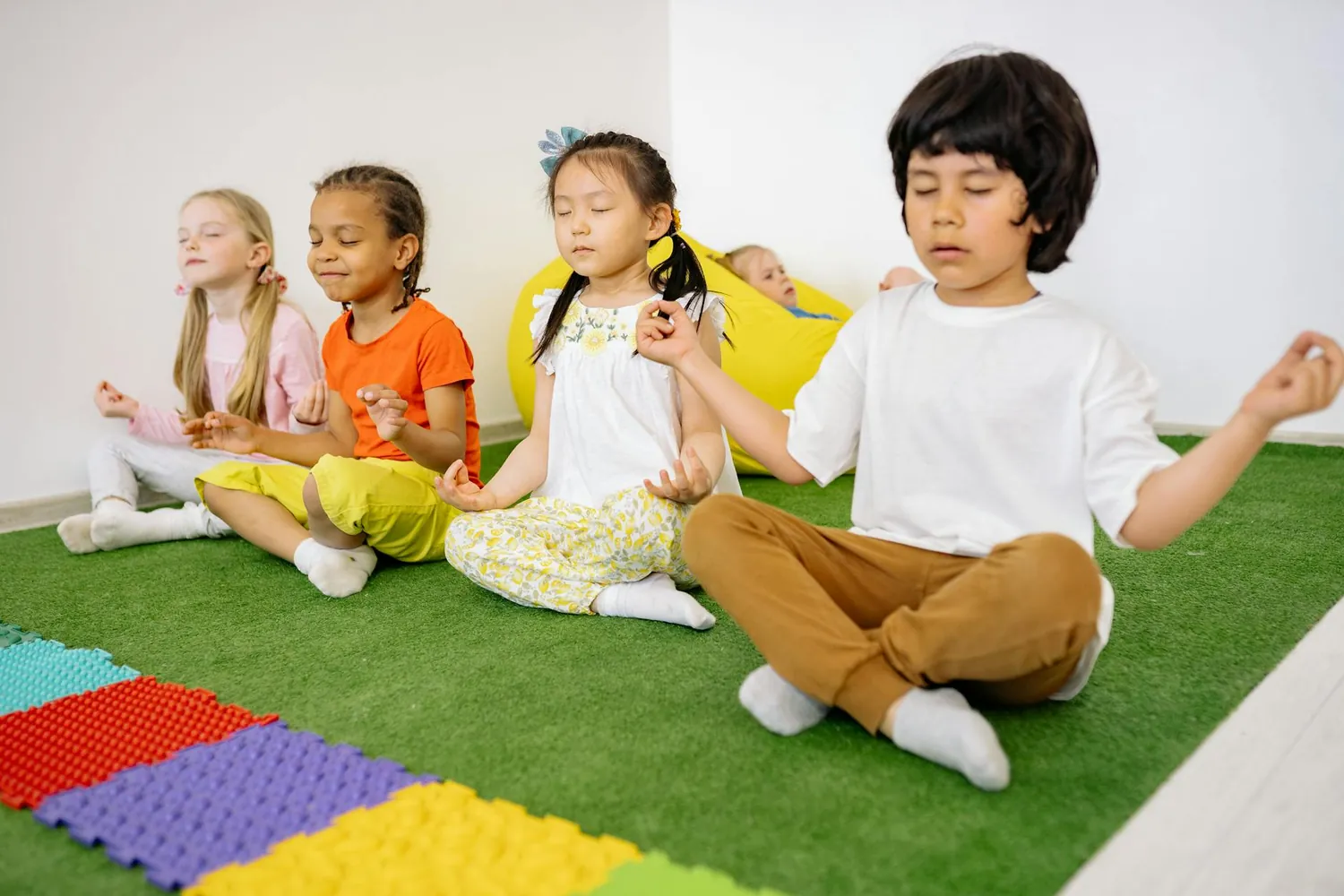
- Mindful Breathing: Begin each day with a few minutes of mindful breathing. Encourage students to sit comfortably, close their eyes, and pay attention to their breath as it enters and leaves their body.
- Body Scan: Guide students through a brief body scan, asking them to focus on different parts of their body from head to toe, noticing any sensations without trying to change them.
- Gratitude Journaling: Have students spend five minutes writing down three things they are grateful for. This practice shifts focus to positivity and abundance rather than stress and lack.
Implementing Mindfulness in the Classroom
Incorporating mindfulness into classroom activities doesn’t have to be time-consuming or complex. Consider these practical strategies:
- Mindful Minutes: Use brief breaks during transitions to allow students to practice mindfulness. This can involve a simple breathing exercise or a moment of silence before starting a new lesson.
- Sensory Activities: Engage students in activities that heighten their sensory awareness. For example, during art class, ask students to focus on the texture of materials or during lunch, encourage them to savor each bite.
Teacher Training Modules
For mindfulness practices to be effective, educators themselves need to be well-versed in these techniques. Here is a suggested framework for teacher training:
Mindfulness Workshops
Workshops can provide teachers with the skills and confidence to lead mindfulness exercises. These sessions should cover:
- An introduction to mindfulness and its benefits.
- Hands-on practice with different mindfulness techniques.
- Strategies for managing personal stress and promoting well-being.
Ongoing Support and Resources
Support doesn’t end with initial training. Establish a support network where teachers can share experiences and resources:
- Create a digital platform or forum for teachers to exchange ideas and feedback.
- Provide access to books, online courses, and webinars focused on mindfulness in education.
Assessment Methods to Evaluate Impact
To ensure that mindfulness integration is beneficial, schools need effective assessment methods. Here’s how you can evaluate the impact:
Student Feedback
Regularly gather feedback from students about their experiences with mindfulness exercises. This can be done through surveys or informal discussions. Key questions might include:
- How do you feel before and after the mindfulness sessions?
- Which activities do you find most beneficial?
Observational Data
Teachers can record observations related to student behavior and engagement before and after implementing mindfulness activities. Consider metrics like:
- Changes in student attentiveness and participation in class.
- Anecdotal evidence of improved classroom atmosphere.
A Mini-Framework for Mindfulness in Schools
This mini-framework provides a step-by-step guide for integrating mindfulness into your school:
- Kick-off Meeting: Hold an initial meeting with staff to discuss goals and expectations for integrating mindfulness.
- Pilot Program: Start with a pilot program in one or two classes before expanding school-wide. This allows for troubleshooting and adjustments.
- Evaluate and Adjust: Use feedback and data collected from the pilot to refine your approach.
- Full Implementation: Roll out the mindfulness program across all classes, providing continuous support and training for teachers.
The Future of Mindfulness in Education
The integration of mindfulness into school life represents a promising development in education. By fostering environments where students can thrive both academically and emotionally, schools are preparing children not just for tests, but for life itself. As more educators embrace these practices, we can look forward to a future where schools are havens of peace, focus, and emotional strength.