Enhancing Student Engagement Through Local Cultural Education
The Importance of Integrating Local Culture in Education
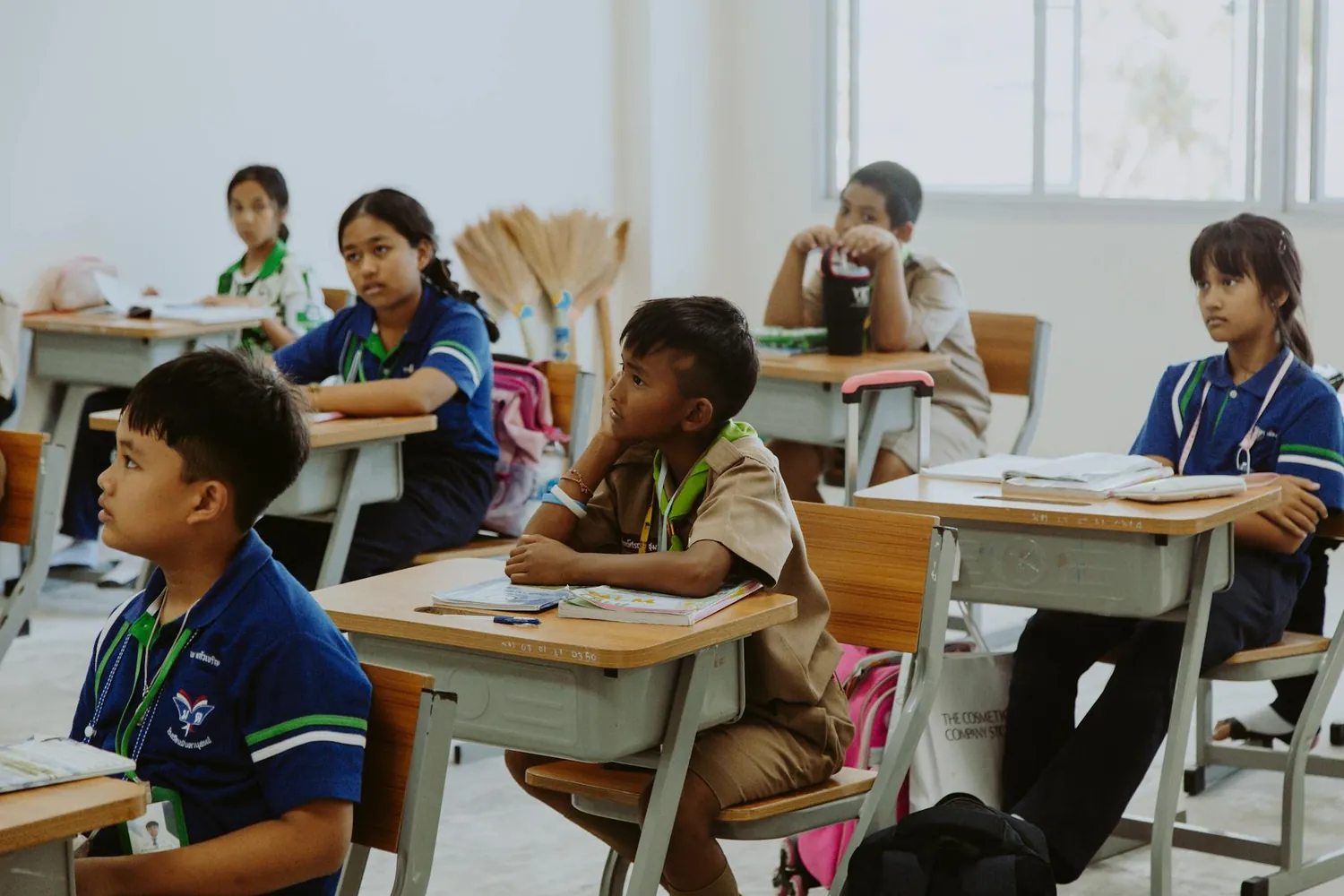
Integrating local culture into educational curricula offers more than just a glimpse into the past; it provides students with a sense of identity and belonging. This practice not only enhances student engagement but also strengthens community ties.
By understanding and valuing their own culture, students become active participants in preserving their heritage.
Case Study: The Maori Curriculum in New Zealand Schools
New Zealand has been at the forefront of incorporating local culture into education through the integration of Maori history, language, and customs. In the early 2000s, the New Zealand Ministry of Education launched initiatives to include Maori perspectives in mainstream education. This was achieved through a series of workshops and resources aimed at teachers across the country.
For instance, schools like Te Kura Kaupapa Maori o Hoani Waititi have been pivotal in providing a full-immersion experience, teaching all subjects in Te Reo Maori, the indigenous language. The school emphasizes Maori traditions such as 'Marae', where students learn through storytelling, traditional games, and crafts.
- Impact on Students: Students displayed increased academic performance and engagement, as well as a heightened sense of pride in their heritage.
- Community Involvement: Local elders and cultural experts were regularly involved in teaching, which strengthened community relationships.
The Catalan Educational Model: A Blend of Tradition and Modernity
In Catalonia, Spain, the regional government has made substantial efforts to include Catalan language and culture in education. Following the restoration of democracy in Spain, there was a concerted effort to revive and integrate regional languages into public life.
Schools in Catalonia use a bilingual approach where both Spanish and Catalan are mediums of instruction. Cultural events like 'La Diada', the national day of Catalonia, are incorporated into school activities, allowing students to partake in traditional dances and learn about historical figures through role-playing and dramatizations.
A unique feature of this model is the incorporation of modern digital tools to teach about Catalan culture. Through virtual reality (VR), students can take virtual tours of historical sites such as Montserrat and the Sagrada Familia.
- Academic Benefits: Students reported higher engagement levels in learning environments that acknowledged their cultural backgrounds.
- Digital Literacy: The use of VR not only educated students about their culture but also equipped them with essential digital skills.
Workflow for Incorporating Local Culture into Curriculum
Step 1: Community Consultation
Successful integration begins with engaging local communities. Schools can hold meetings with local cultural leaders, parents, and other stakeholders to gather insights on cultural elements they wish to see included.
Step 2: Teacher Training and Resources
Professional development sessions should be conducted to prepare teachers for delivering culturally relevant material. This can include workshops, seminars, and access to online resources focusing on pedagogical methods tailored to cultural education.
Step 3: Curriculum Design
Create a curriculum that includes traditional stories, languages, arts, and histories. This should be cross-disciplinary; for instance, incorporating local folklore in literature classes or using traditional counting systems in mathematics.
Step 4: Implementation and Feedback
Roll out the new curriculum while maintaining open channels for feedback from students, teachers, and community members. Regular assessments should be conducted to measure engagement levels and academic performance improvements.
Overcoming Challenges
The implementation of local cultural education does come with challenges. One major hurdle is the potential resistance from parts of the community or stakeholders who may perceive this focus as detracting from conventional academic goals.
A possible solution is presenting cultural education as an enhancement rather than a replacement. Highlighting success stories from other regions can serve as motivational examples. Additionally, ensuring that both teachers and students are prepared and enthusiastic about this change is crucial.
The Role of Technology in Promoting Cultural Education
With the advancement of technology, schools have more tools at their disposal than ever before. For example, augmented reality (AR) can bring historical artifacts to life, allowing students to interact with them in ways that textbooks cannot provide.
Furthermore, digital platforms can facilitate connections with cultural experts worldwide, bringing diverse perspectives directly into classrooms through video conferencing. Online forums can also serve as platforms for students from different regions to share their cultural experiences with peers globally.
A Global Perspective: The Way Forward
The movement towards integrating local culture into education is gaining traction globally. In places like Hawaii, schools have successfully incorporated native Hawaiian language and customs into their teaching practices, promoting both cultural preservation and academic success.
The future lies in fostering a global network where educators can share resources, strategies, and experiences. Organizations such as UNESCO provide platforms for such exchanges, ensuring that cultural education becomes an integral part of schooling worldwide.
Ultimately, the journey towards integrating local culture into education requires commitment from educators, policymakers, and communities alike. By valuing local heritage within academic frameworks, we empower students with a richer understanding of the world they inhabit—preparing them not only as scholars but as culturally aware citizens ready to contribute positively to society.